Read the Arabic version of this Venezuela guide
Last reviewed: August 2, 2026. Venezuela has Caribbean islands, tabletop mountains, highland cities and one of South America’s great natural landmarks. It also demands more preparation than an ordinary regional holiday. This guide is for travelers who want a realistic first-trip framework: what to verify before booking, which places fit together, and where flexibility matters more than a packed schedule.
For a broader comparison before choosing a country, start with our guide to the best places in South America for a first trip.
The decision to make before you book
A Venezuela trip works best when the destination itself is the reason for traveling. It is a weaker choice for a spontaneous stopover, a tight multi-country itinerary or a holiday that depends on frictionless card payments and last-minute transport.
Before paying for a flight, answer four questions:
- Does your passport qualify for visa-free entry, or must you obtain a tourist visa in advance?
- Does your government’s current travel advice affect your insurance coverage?
- Can your accommodation or local operator confirm airport transfers and domestic connections?
- Do you have enough schedule flexibility for a delayed flight or changed excursion?
If any answer is unclear, pause the booking. Venezuela is not the place to assume that a rule quoted in an old forum still applies.
Venezuela entry requirements in 2026
Entry depends on nationality and travel document. Venezuela’s foreign ministry publishes both the current tourist visa-exemption information and a separate page covering migration requirements for tourists. Check the ministry pages and the Venezuelan consulate responsible for your place of residence. Airline staff may ask for the same documents before boarding.
As a practical file, carry your passport, any required visa, return or onward booking, first accommodation address, travel insurance evidence and copies of important reservations. Requirements can differ by passport and can change, so this list is preparation advice rather than a substitute for a consular decision.
Treat safety advice as part of the itinerary
Some governments currently advise against all or all-but-essential travel to parts or all of Venezuela. Read the advice issued for your own nationality, because it can affect assistance and insurance. The UK Venezuela travel advice is one useful operational reference, but it does not replace your government’s guidance.
A careful plan avoids unverified overland transfers after dark, keeps airport pickup details offline, and does not display cash or expensive equipment. Share your route with someone at home. Use accommodation and operators with recent, specific reviews, then reconfirm every transfer shortly before travel. Conditions can differ sharply between a managed excursion and an improvised journey.
A sensible 9-day first route
The strongest short itinerary combines one city gateway with two nature experiences. It deliberately avoids crossing the whole country.
Days 1-2: Arrival and a controlled start in Caracas
Use the first day to recover, obtain current local guidance and confirm onward flights. Book an airport transfer in advance through your hotel or a trusted operator. If you explore Caracas, arrange transport and choose a small number of daytime stops rather than wandering without a plan. The point of this section is orientation, not squeezing in every sight.
Days 3-5: Canaima National Park
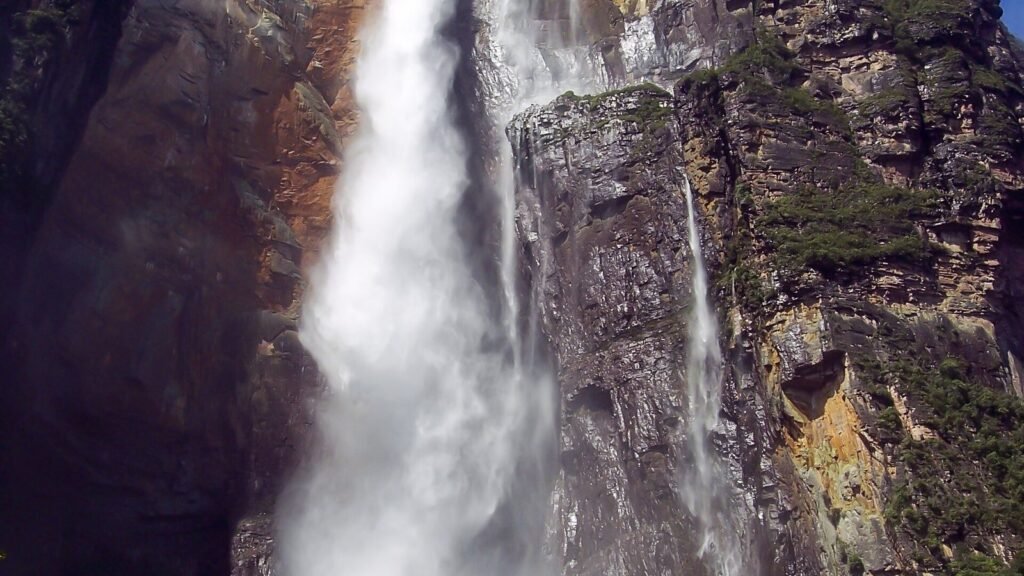
Canaima is the trip’s defining landscape. The park covers an immense area of savanna, forest, lagoons and tepuis; Angel Falls lies within it. UNESCO describes Canaima National Park as a World Heritage property, but visiting the waterfall is not a simple independent day trip.
Choose a package that clearly states the domestic flight, accommodation, meals, boat journey, baggage limit and weather contingency. Water levels influence access and views, while local flight schedules can move. Two nights is the minimum worth considering; three gives the itinerary breathing room.
Days 6-8: Los Roques
Los Roques changes the pace completely: low islands, shallow water and boat days rather than long road journeys. Confirm what your posada includes, especially airport transfer, meals, park-related charges and daily boat outings. Venezuela’s tourism authorities describe Los Roques as a protected island destination; travelers should follow local conservation instructions and avoid treating remote beaches as infrastructure-rich resorts.
Day 9: Return with a buffer
Return to the international gateway at least one night before a separate long-haul ticket when possible. A buffer costs less than recovering from a missed international flight. If all flights are on one protected booking, ask the carrier what happens after a domestic disruption.
What to add if you have more time
Mérida and the Andes can justify several extra days, but they should replace another section rather than be bolted onto a nine-day route. The Orinoco Delta and more remote nature trips also require specialist logistics. A first visit becomes harder, not richer, when every region is connected by a fragile same-day transfer.
If you want easier overland movement with a similar mix of cities and dramatic landscapes, compare this plan with our Colombia first-trip guide or Ecuador travel guide.
Money, connectivity and everyday planning
Do not build the trip around a single bank card, app or mobile connection. Ask each accommodation which payment methods it currently accepts and whether the quoted total includes taxes and transfers. Carry a sensible backup in clean notes where legal and appropriate, but avoid traveling with more cash than you can secure.
Download reservations, insurance details, maps and emergency contacts for offline use. Keep a small power bank charged. Messaging is often the quickest way to reconfirm arrangements, yet a screenshot of the driver’s name and pickup point is more useful than a message you cannot load.
A booking checklist that reduces surprises
- Verify the visa rule on an official Venezuelan source and with the responsible consulate.
- Read your government’s travel advice and confirm that insurance remains valid.
- Use flexible international and domestic tickets where the price difference is reasonable.
- Request written inclusions for Canaima and Los Roques packages.
- Prearrange the first airport transfer and avoid a tight arrival-night connection.
- Store document copies online and offline, separate from the originals.
- Recheck operational conditions in the final week before departure.
Frequently asked questions
Do I need a visa for Venezuela?
It depends on your passport and sometimes the way you enter. Use the foreign ministry’s current exemption page and confirm with the Venezuelan consulate responsible for your residence before booking.
Can I visit Angel Falls independently?
Most first-time visitors use an organized Canaima package because the journey involves domestic air access and local boat logistics. Compare inclusions and cancellation terms, not only the headline price.
How many days are enough for a first trip?
Nine to twelve days can cover a carefully paced gateway, Canaima and Los Roques itinerary. Add the Andes only if you can dedicate several more days.
Is Venezuela suitable for a first solo trip in Latin America?
It is a demanding choice. A traveler who values simple transport, broad card acceptance and easy last-minute changes may be better served by another first destination. Experienced travelers who plan through reliable local contacts may find the logistics manageable.
Official planning links
- Venezuelan foreign ministry: tourist visa information
- Venezuelan foreign ministry: tourist entry requirements
- UNESCO: Canaima National Park
Featured image: Angel Falls by Diego Delso via Wikimedia Commons, CC BY 3.0.