Read the Arabic version of this Uruguay guide
Last reviewed: August 2, 2026. Uruguay is often squeezed between larger South American itineraries. That is a mistake. Its appeal is not a checklist of blockbuster sights; it is the pleasure of having enough time for Montevideo’s neighborhoods, Colonia’s river light and an Atlantic coast that changes character from polished resort towns to quiet fishing villages.
This 10-day Uruguay itinerary is designed for a first visit without a rental car for the whole trip. It also shows where a car becomes useful, so you can spend money on one only when it improves the route.
The route at a glance
- Days 1-3: Montevideo
- Days 4-5: Colonia del Sacramento
- Days 6-9: choose one Atlantic coast base
- Day 10: return to Montevideo and depart
The important word is choose. Punta del Este, Jose Ignacio, Cabo Polonio and Punta del Diablo are not interchangeable, and visiting all of them in four days creates more luggage handling than holiday.
First, check whether you need a visa
Uruguay’s admission rules depend on nationality. The Ministry of the Interior maintains an official visa and admission regime list, while consular pages explain the tourist visa process and supporting documents. Check both the nationality list and the consulate serving your residence; do not rely on an airline blog or an undated summary.
Even when no advance visa is required, travel with a valid passport, proof of onward travel, accommodation details and evidence that you can support the trip. The final admission decision belongs to border authorities.
Days 1-3: Let Montevideo unfold slowly
Stay in or near Ciudad Vieja, Centro, Pocitos or Punta Carretas according to the atmosphere you want. Ciudad Vieja gives you historic streets and daytime access to the old core; Pocitos and Punta Carretas put the Rambla and evening dining closer to the door.
Day 1: Plaza Independencia to the port
Begin at Plaza Independencia, pass through the old city gate and walk into Ciudad Vieja. Museums and market halls have different closing days, so treat this as an orientation walk rather than a rigid list. Finish toward the port or return to the center before the streets empty. Ask your accommodation for current block-by-block guidance, especially at night.
Day 2: The Rambla and everyday Montevideo
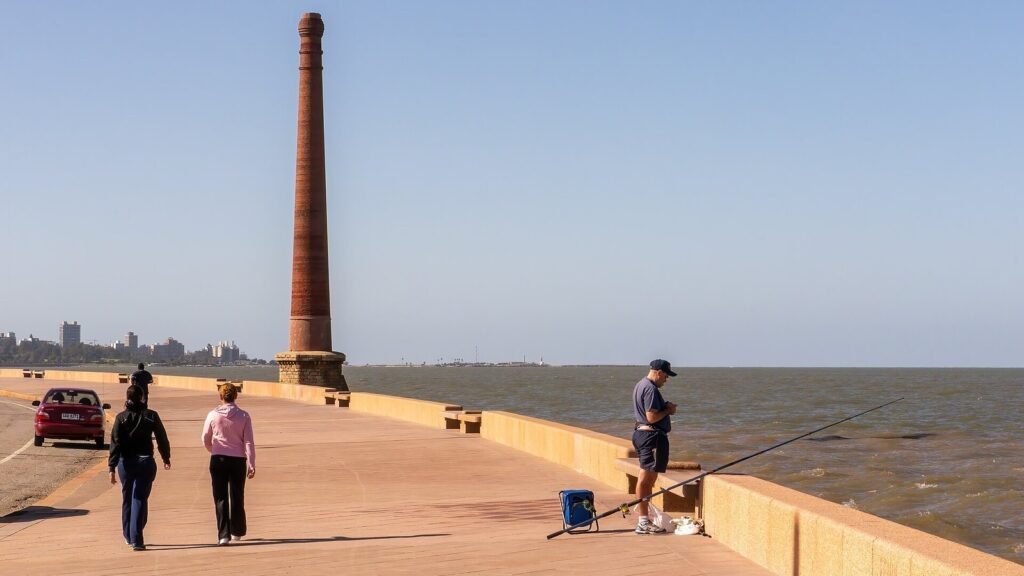
The waterfront promenade is not one attraction; it is the city’s long communal living room. Walk a manageable section around Parque Rodo, Punta Carretas or Pocitos, then use a bus or taxi rather than trying to conquer the entire coast on foot. The official tourism site has a useful introduction to Montevideo’s character and districts.
Day 3: Markets, museums and a flexible evening
Use the third day for the interest that brought you here: architecture, football, art, food or neighborhood life. Leave one meal unplanned. Uruguay’s late dining rhythm and changeable coastal weather both reward a little space in the schedule.
Days 4-5: Colonia without the day-trip rush
Buses link Montevideo and Colonia, and ferries connect Colonia with Buenos Aires. Staying overnight changes the visit. The historic quarter is busiest around ferry arrivals; early morning and late afternoon reveal its scale and texture much better.
On day four, settle in and walk the compact historic core. On day five, rent a bicycle if the weather is comfortable, follow the waterfront, and allow time for a long lunch. Uruguay Natural describes Colonia’s historic and river landscapes. You do not need to turn every cobbled lane into a photo stop; the town works because it is easy to revisit the same corner in different light.
Days 6-9: Pick the right Atlantic coast
Choose Punta del Este or Jose Ignacio for comfort
This is the easiest option if you want a broad range of accommodation, restaurants and transport. Punta del Este is busier and more urban; Jose Ignacio is smaller and usually priced for a higher-spend stay. In peak summer, book early and expect a very different pace from the rest of the year.
Choose Cabo Polonio for a remote experience
Cabo Polonio is for travelers who accept limited infrastructure in exchange for dunes, coastline and a distinct sense of separation. Access involves authorized vehicles across the dunes rather than driving a normal car into the village. Confirm electricity, payment options and luggage arrangements with your accommodation.
Choose Punta del Diablo for a relaxed beach-town base
Punta del Diablo suits travelers who want a few unhurried beach days and access to Rocha’s coast. It can be lively in high season and markedly quieter outside it. The regional tourism material on Rocha from palm groves to the sea helps place the town in a wider landscape.
Bus, ferry or rental car?
Use buses for Montevideo, Colonia and the main resort towns. Services are generally the simplest way to avoid city parking and one-way rental charges. A car earns its cost when you want to stop between small coastal places, stay in rural accommodation or explore Rocha on your own timetable.
A practical compromise is to travel by bus through Colonia, return to Montevideo, then collect a car for the coast. Compare that with a direct bus to your chosen base before booking; doubling back is not always worthwhile. Never assume a summer frequency applies in the shoulder season.
When to take this trip
December through February brings beach weather, longer days and the highest coastal demand. Spring and early autumn often suit city-and-coast travelers who prefer less crowding, but water and evening temperatures may be cooler. Winter gives Montevideo and Colonia a quieter, local feel; it is not the moment to build the trip around swimming.
Wind is part of the Uruguayan coast in every season. Pack a layer that works after sunset even when the daytime forecast looks warm.
How to control the budget
Uruguay can feel expensive compared with some neighbors. The solution is not a fantasy daily figure in a different currency; it is choosing where to spend. Book a simple city room, use intercity buses, eat a substantial lunch, and reserve your splurge for a coast property or memorable meal. Apartments can help on longer stays, but compare cleaning fees and location with a hotel total.
If you are building a longer regional journey, our Argentina itinerary explains how Buenos Aires and Patagonia can fit into a separate two-week plan.
Four mistakes that flatten the trip
- Visiting Colonia only between two ferry departures.
- Trying to combine three coast bases in four nights.
- Booking a car for days when it will sit parked in Montevideo.
- Using a January restaurant and bus schedule to plan an off-season visit.
Frequently asked questions
Is 10 days enough for Uruguay?
Yes. Ten days comfortably cover Montevideo, an overnight stay in Colonia and one Atlantic coast base. It is not enough for every beach town without rushing.
Do I need a car in Uruguay?
Not for the core route. Buses work well between major stops. Rent a car only for rural stays or a more exploratory coast section.
Can I visit Uruguay from Buenos Aires?
Yes, ferries make Colonia and Montevideo natural connections. Check the operator’s current terminal, baggage and check-in rules before travel.
Which coast base is best for a first visit?
Punta del Este is the easiest. Cabo Polonio is the most remote. Punta del Diablo offers a laid-back town base. Choose by travel style and season, not by trying to rank them universally.
Official planning links
- Uruguay Ministry of the Interior: visa regime
- Uruguay foreign ministry: visa application guidance
- Uruguay Natural: official tourism information
Featured image: Montevideo Rambla by Ermell via Wikimedia Commons, CC BY-SA 4.0.