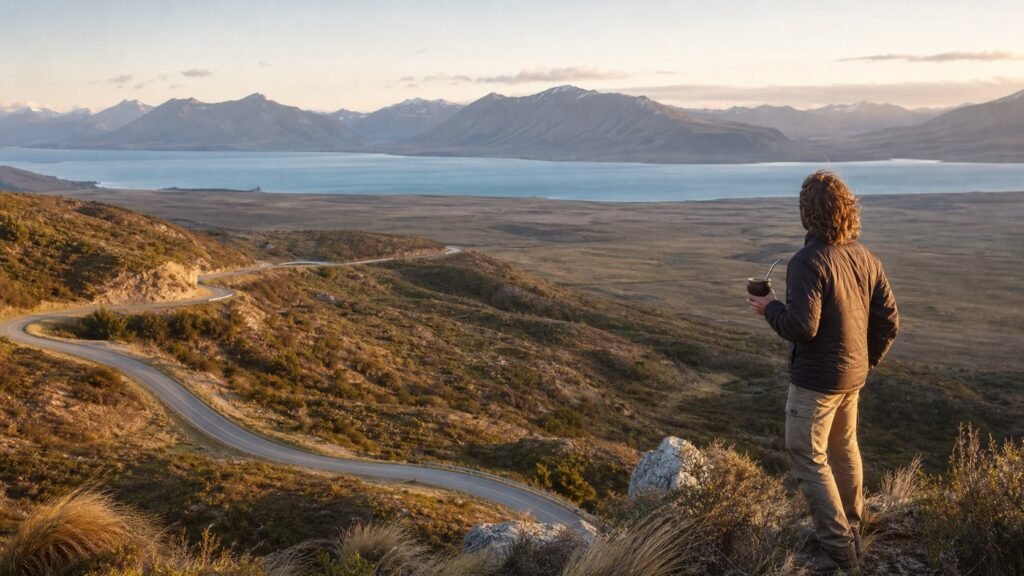
Twenty-six places, five practical itineraries and one honest framework for planning a country that stretches from subtropical rainforest to the edge of Antarctica.
Read the Arabic editionArgentina in two minutes
Argentina rewards focus. Choose two or three regions rather than collecting airports, and protect at least one weather buffer day when Patagonia is central to the trip.
Argentina route map: five trips that make geographical sense
This original planning map turns Argentina’s scale into five coherent journeys. Use it to choose one geographic story before adding flights and hotels.
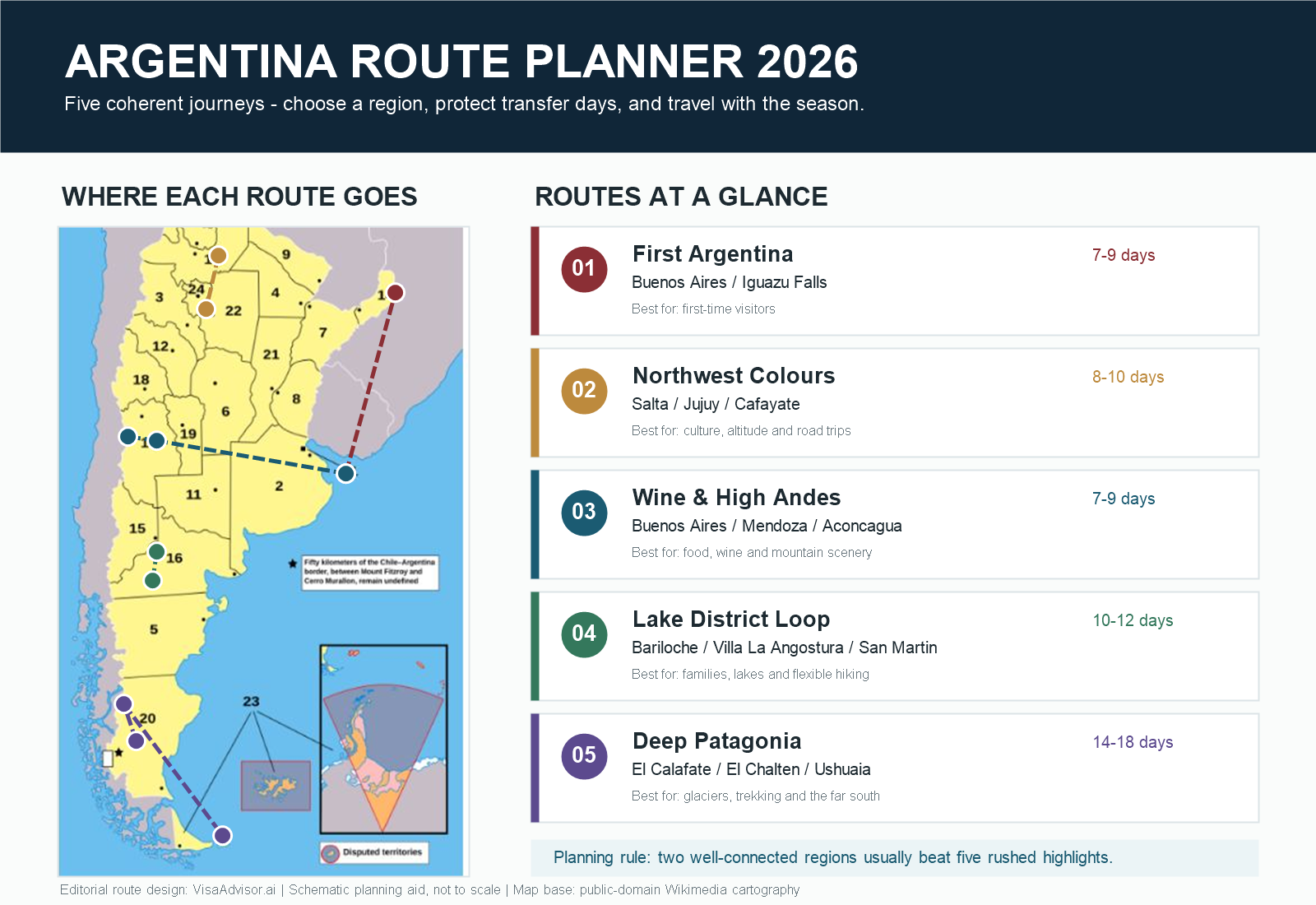
Publishers and travel writers: you may reproduce this infographic with visible credit to VisaAdvisor.ai’s Argentina Travel Guide. Please do not remove the source line or alter the route labels.
Copy the embed code
<a href="https://visaadvisor.ai/en/blog/argentina-travel-guide/"><img src="https://visaadvisor.ai/wp-content/uploads/2026/07/argentina-route-planner-2026.png" alt="Argentina Route Planner 2026 by VisaAdvisor.ai"></a>Image transparency: this guide combines editorial photographs with AI-generated illustrative images. They are used to evoke a place, not to document one individual traveller’s journey.
Choose a version of Argentina, not a list of cities
Argentina is the eighth-largest country in the world. A route that looks tidy on a map may involve several hours in the air, a change of airport in Buenos Aires and long transfers at both ends. The strongest itineraries are built around a travel mood: urban culture, high-altitude landscapes, wine, wildlife, lakes, glaciers or hiking.
Choose the north if you want
- Rainforest and powerful waterfalls around Iguazú.
- Andean culture, high desert and multicoloured geology in Salta and Jujuy.
- Warmth, regional food and a slower road-trip rhythm.
Choose Patagonia if you want
- Glaciers, wind, long summer days and major hiking.
- Wildlife around Península Valdés and the Atlantic coast.
- Lake District road trips or the subantarctic scenery of Ushuaia.
The planning rule that saves most trips: do not combine Iguazú, Mendoza, Bariloche, El Calafate and Ushuaia in a short holiday simply because they are all famous. Two well-connected regions usually produce a richer trip than five hurried highlights.
26 best places to visit in Argentina
These are not ranked from “best” to “worst.” Each serves a different kind of journey, and the practical notes are designed to help you combine nearby places without losing days to transfers.
Buenos Aires
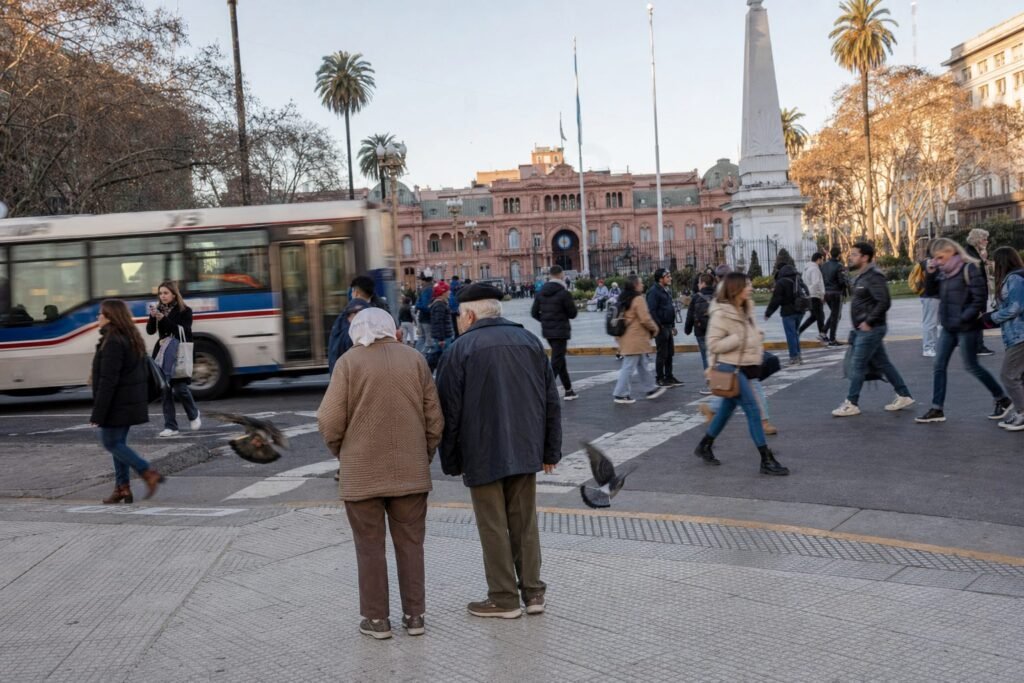
Argentina’s capital works best as a collection of neighbourhoods rather than a checklist. Pair the civic core around Plaza de Mayo with San Telmo, Recoleta, Palermo and at least one evening built around theatre, live music or a neighbourhood restaurant. Three days cover the essential geography; four or five allow time for museums, markets and a day trip without turning every meal into a race.
Tigre and the Paraná Delta
Less than a full travel day from central Buenos Aires, Tigre replaces avenues with channels, rowing clubs and low islands. A boat trip gives the clearest sense of delta life, while the riverside walk and market make it an easy independent outing. It is a useful contrast to the capital, but it deserves realistic train and boat timing rather than being squeezed between airport transfers.
Iguazú Falls
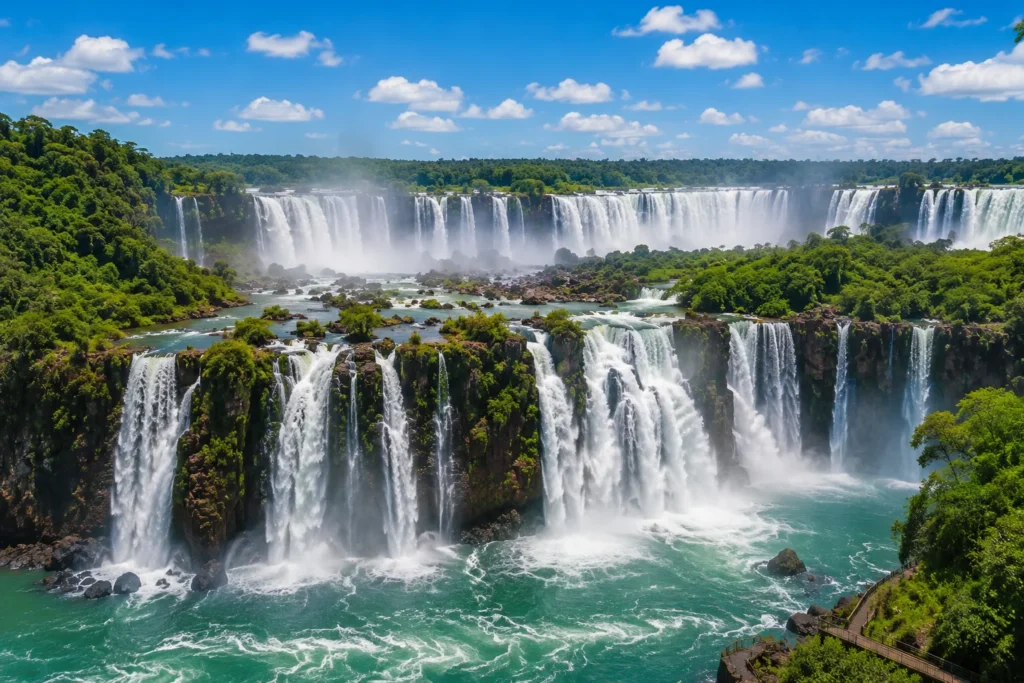
The Argentine side is not a single viewpoint but a network of forest trails, walkways and trains that reveal the falls in layers. Allow a full day, start early and expect heat, humidity and wet surfaces. The Brazilian side provides a broad panorama but requires a formal international border crossing; check that you can enter Brazil and re-enter Argentina before building both sides into one itinerary.
Posadas and Misiones
Posadas is a calmer base for exploring the red-soil landscapes and Jesuit-Guaraní heritage of Misiones. The ruins at San Ignacio Miní are the best-known cultural stop, but the wider province rewards travellers interested in mate production, local history and road journeys beyond the waterfall corridor. Transport is slower than the distances suggest, so plan it as its own Misiones chapter rather than a quick Iguazú add-on.
Salta and Jujuy
Northwest Argentina combines colonial cities, Indigenous and mestizo culture, cactus valleys and mountains exposed in improbable bands of colour. Salta is the most practical urban base; Jujuy province opens the road through Purmamarca, Tilcara and Humahuaca. Altitude changes quickly, so avoid scheduling the hardest drive or hike immediately after arrival and build space for acclimatisation.
Cafayate
Cafayate is a wine town framed by the red formations of the Quebrada de las Conchas. Torrontés is the signature local grape, but the road itself is as important as the tasting rooms. Stay overnight if possible: a day trip from Salta can feel rushed once viewpoint stops, lunch and cellar visits are included. Never combine wine tasting with driving.
Mendoza
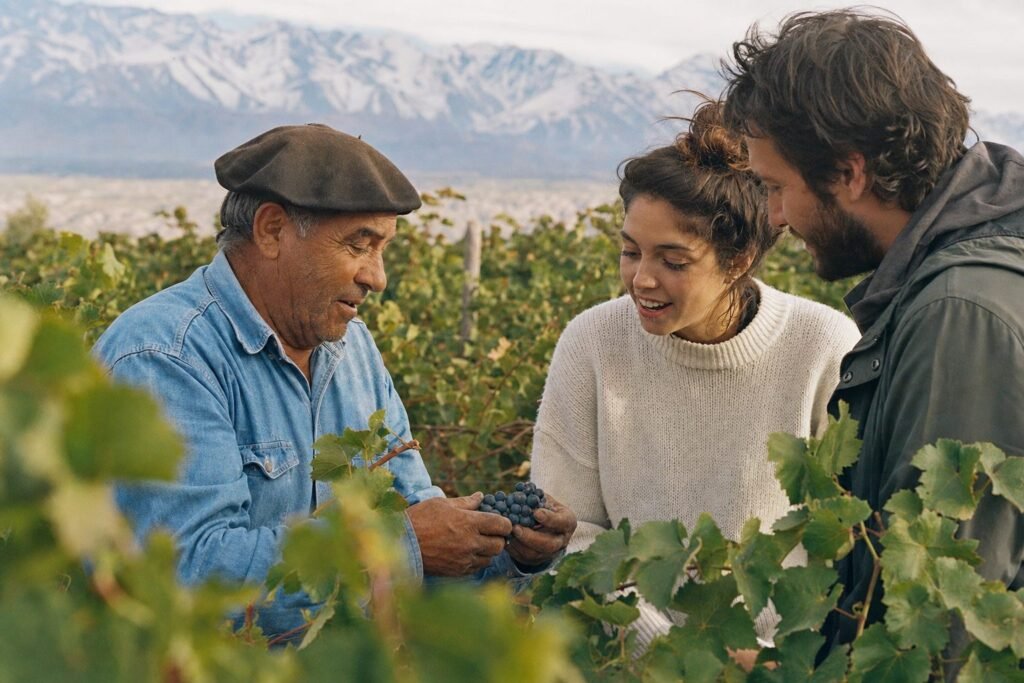
Mendoza is an irrigated green city facing an immense dry mountain wall. Most visitors combine the city with one or two wine areas such as Luján de Cuyo, Maipú or the Uco Valley. Reservations matter at leading wineries, and distances between estates make a driver or organised route valuable. Add a High Andes day if mountain roads and weather conditions allow.
Aconcagua Provincial Park
The Americas’ highest mountain does not require a summit attempt to make an impression. Seasonal day walks and viewpoints provide a sense of scale, while longer routes require permits, preparation and respect for altitude. Conditions can change quickly. Check the official Mendoza park information, opening status and permit category before leaving the city.
Iberá Wetlands
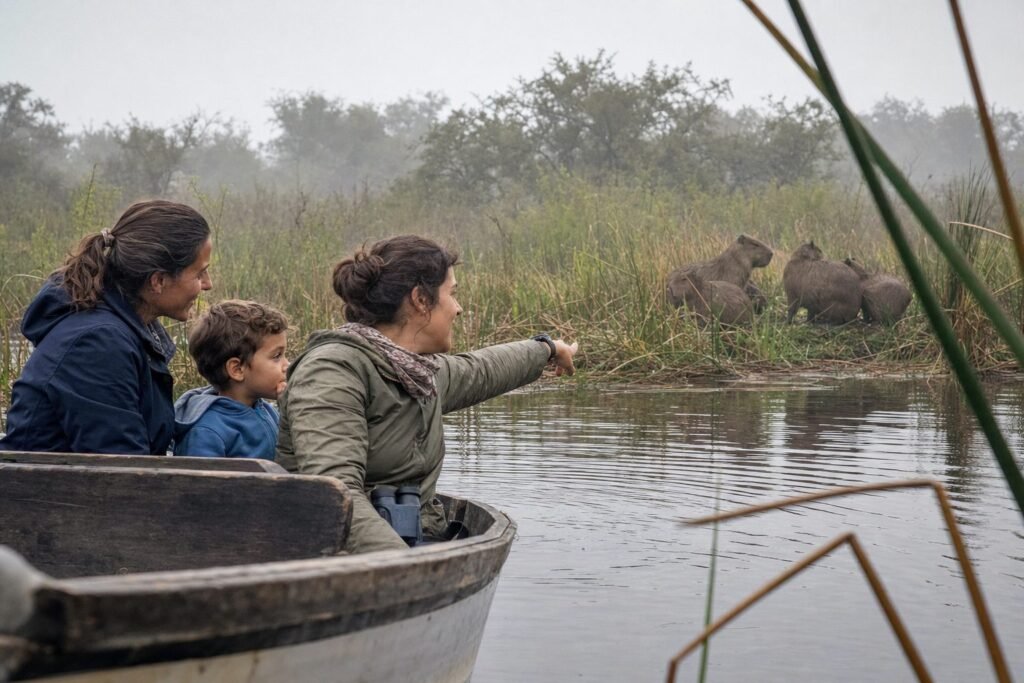
Iberá is one of South America’s great wildlife landscapes, with capybaras, caimans, marsh deer and abundant birdlife. The experience depends on the access portal and lodge location, not simply the word “Iberá” on a map. Confirm road conditions and transfer arrangements, especially after rain. Early and late outings usually provide better wildlife activity and softer light.
Bariloche
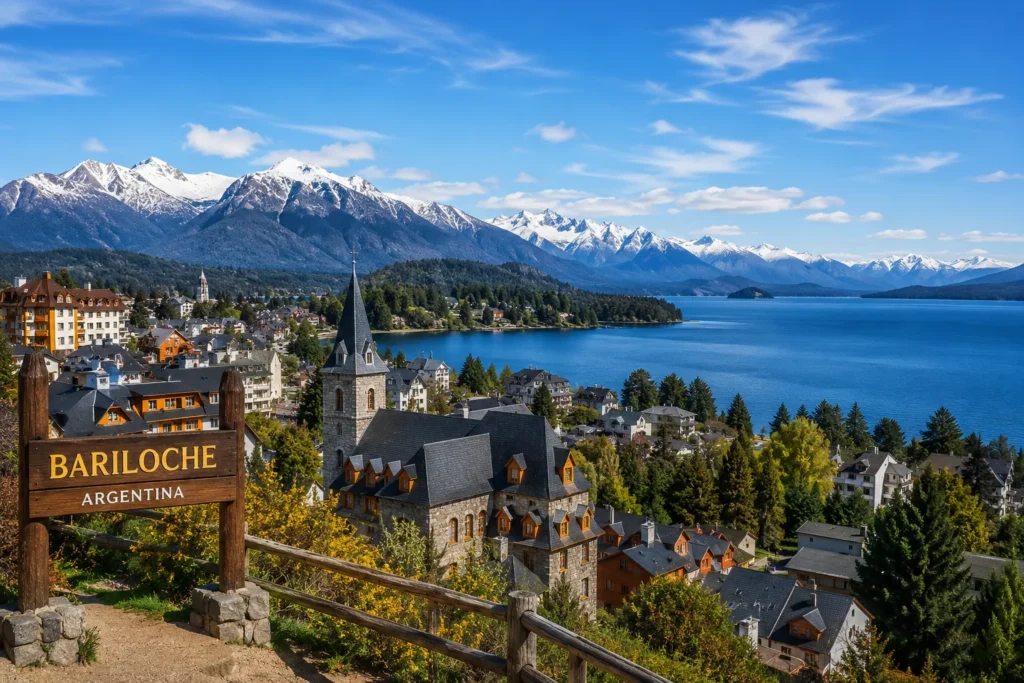
Bariloche combines a walkable centre with immediate access to Nahuel Huapi Lake, mountain viewpoints, ski areas and scenic drives. It works for families, first-time Patagonia visitors and travellers who want nature without giving up restaurants and services. Summer favours hiking and lakes; winter centres on snow sports. Shoulder seasons require checking which lifts, trails and tours are operating.
Nahuel Huapi National Park
The park is much larger than Bariloche’s postcard viewpoints. Its forests, lakes, refuges and mountain routes range from accessible lakeside walks to demanding backcountry journeys. Match the route to the season and your experience, register when required, and do not interpret a sunny town forecast as a guarantee of stable mountain weather.
Villa La Angostura
Smaller and quieter than Bariloche, Villa La Angostura is a polished base for lake scenery, forest walks and the Arrayanes peninsula. It fits naturally into the Seven Lakes Route and suits travellers who prefer a slower evening rhythm. Accommodation can be expensive in high season, so the town works best when booked as a deliberate stop rather than an improvised detour.
San Martín de los Andes and Lake Lácar
San Martín de los Andes has a compact mountain-town centre opening onto Lake Lácar. It is the northern anchor of the Seven Lakes Route and a strong base for Lanín National Park. Allow time for weather to clear rather than treating every viewpoint as a timed appointment. A one-way car rental can make the Bariloche–San Martín route especially efficient.
Península Valdés
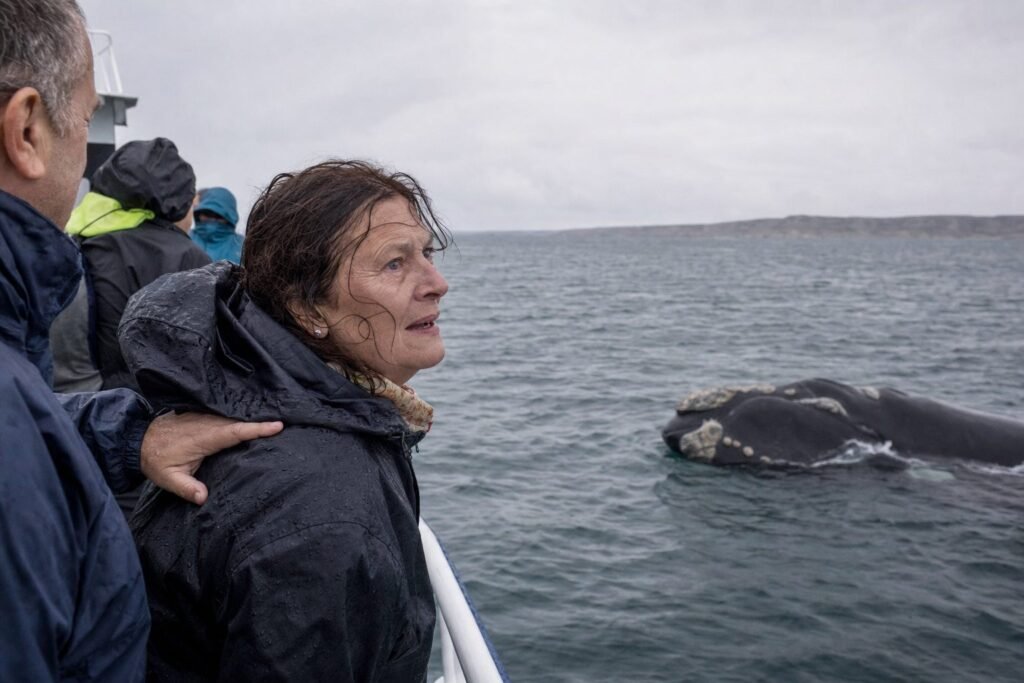
This UNESCO-listed peninsula is defined by seasonal wildlife rather than a fixed attraction list. Southern right whales are usually present from June into December, while penguins, elephant seals, sea lions and orcas follow different calendars and locations. Choose dates around the species you most want to see, then verify the current official wildlife calendar and responsible operator practices.
Puerto Madryn
Puerto Madryn is the practical coastal base for Valdés and nearby wildlife reserves. The city adds beaches, museums and restaurants to a region otherwise shaped by long roads and exposed coast. It can be visited outside whale season, but the experience changes substantially. Compare the dates of your trip with wildlife calendars before committing to tours.
El Calafate
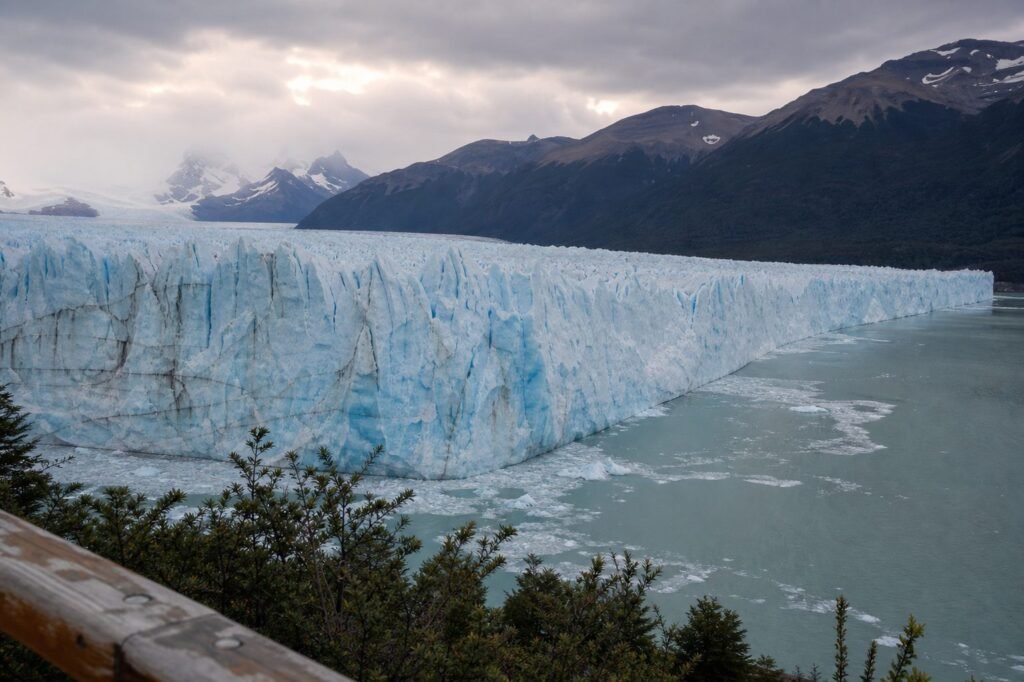
El Calafate is the service centre for the southern sector of Los Glaciares National Park. Its main purpose is access: Perito Moreno Glacier, boat excursions and connections toward El Chaltén. Two or three nights cover the glacier comfortably; extra time creates resilience against wind and schedule changes. Book airport and park transport with the day’s full timeline in mind.
Perito Moreno Glacier
Perito Moreno is unusual because extensive walkways provide close, changing views without a technical expedition. The glacier is active, noisy and never guaranteed to calve on command. Give the site time. Boat trips and guided ice activities are optional additions with their own age, fitness and weather rules; confirm them directly with authorised operators.
El Chaltén and Fitz Roy
El Chaltén is Argentina’s trekking capital, with trails beginning near town and weather that can redraw the mountains within minutes. Laguna de los Tres is famous but demanding; shorter routes provide meaningful views without the same strain. Stay at least three nights if hiking matters, and keep one day flexible enough to follow the best forecast.
Patagonia beyond one postcard
Patagonia is a vast region, not a stop between airports. The Atlantic coast, Lake District, steppe, glacier country and Tierra del Fuego are separate travel chapters. Decide whether you want wildlife, hiking, lakes, ice or road travel, then select a compact corridor. Trying to “do Patagonia” in four days usually means experiencing airports rather than landscapes.
Ushuaia and Tierra del Fuego
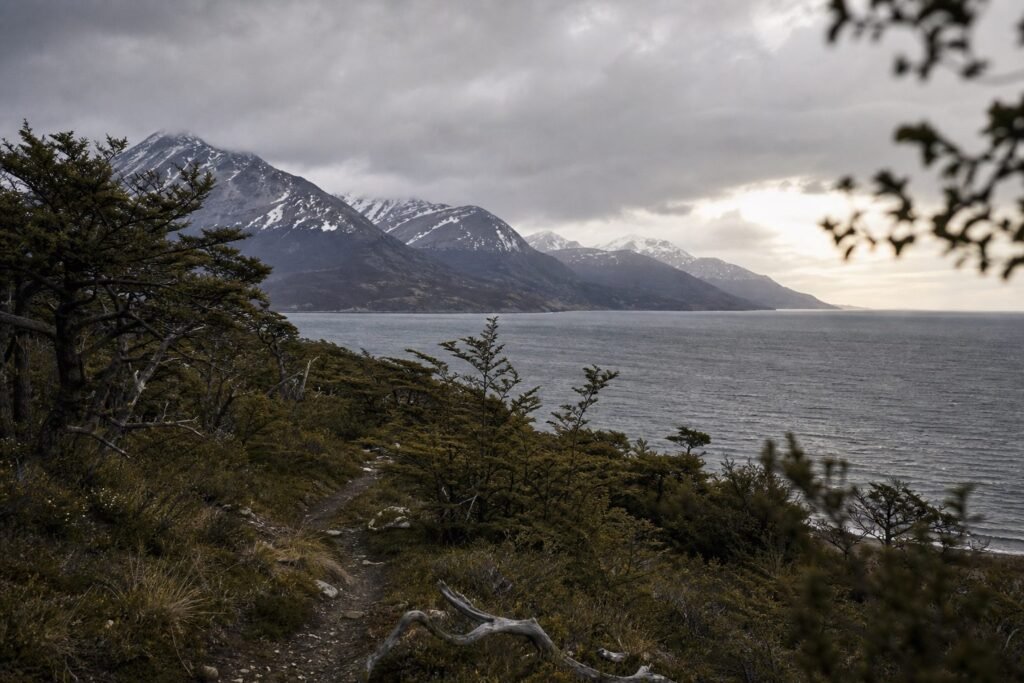
Ushuaia sits between the Beagle Channel and steep mountains, creating a compact base for sailing, national-park walks and subantarctic weather. It is not merely a “world’s end” sign. Three or four days allow a channel excursion, Tierra del Fuego National Park and one weather-dependent hike. Cruise schedules can tighten accommodation and transport availability.
Laguna Esmeralda
This popular hike near Ushuaia crosses forest, peat and often deep mud before reaching a turquoise lagoon below the mountains. Conditions matter more than distance alone. Wear footwear that can handle water and mud, carry layers and check current trail advice. In winter or unstable conditions, guided support may be the sensible choice.
Córdoba and the Sierras
Córdoba offers university history, Jesuit heritage and a large urban base for the surrounding sierras. The valleys and towns outside the city add reservoirs, hiking, food traditions and a different social rhythm from Buenos Aires. It is particularly useful for travellers who want an Argentina itinerary not dominated by the capital and Patagonia.
Rosario and the Paraná River
Rosario is a major river city with waterfront parks, cultural institutions and a strong local identity. It works as a two-day urban break or part of a slower journey through central Argentina. Travellers come for the Paraná setting rather than a single monument. Check current local conditions and neighbourhood advice as you would in any large city.
Mar del Plata and the Atlantic Coast
Mar del Plata changes character with the season. Summer brings crowded beaches and nightlife; outside peak months the coast feels more local and spacious. The city combines traditional beach culture, seafood and urban services, while smaller coastal towns provide quieter alternatives. Book early for the busiest holiday dates and expect highly seasonal prices.
Talampaya and Ischigualasto
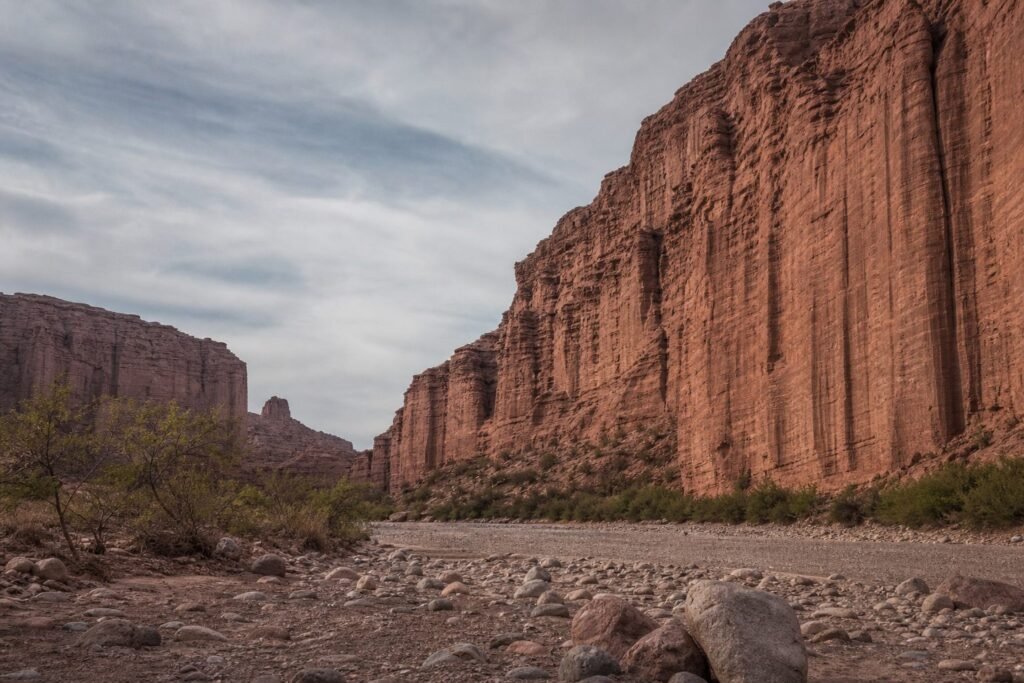
These neighbouring UNESCO landscapes in La Rioja and San Juan reveal deep geological time through red canyons, eroded formations and important fossil records. They are not casual roadside stops: access, guided circuits, heat and driving distances require planning. Combine them over several days and check park schedules directly, especially outside the most popular season.
El Bolsón and Lago Puelo
El Bolsón offers a slower version of northern Patagonia shaped by farms, craft producers, forests and nearby Lago Puelo National Park. It suits travellers who value local food, day walks and a less polished base. Transport is easier with a clear regional plan, and hiking conditions still require the same respect for wind, fire risk and rapid weather changes found elsewhere in Patagonia.
Best time to visit Argentina
There is no single best month for the entire country. Latitude, altitude and the purpose of the trip matter more than a national average.
Buenos Aires and the northeast
Spring and autumn generally bring more comfortable city temperatures. Iguazú operates year-round, but heat, humidity, rain and water volume change the experience.
Northwest and Mendoza
Autumn through spring is often more comfortable for desert roads and vineyards. High-altitude areas can be cold in any season, and summer rain affects some routes.
Lake District
December–March suits hiking and lake travel; June–September is the broad snow-sports season. Shoulder months can be beautiful but have fewer operating services.
Southern Patagonia
October–April usually offers longer daylight and the widest hiking operations. Strong wind and sudden weather remain possible even in midsummer.
Getting around: flights, buses, trains and cars
Domestic flights are often the rational choice between distant regions, but compare the full door-to-door journey. Buenos Aires has two principal airports: EZE, outside the city, and AEP, close to central districts. An itinerary may require a road transfer between them, so never assume two tickets connect simply because both say “Buenos Aires.”
Long-distance buses
Comfortable buses connect many cities and can save a hotel night, but journeys are long. Check the departure terminal, seat class, arrival time and cancellation conditions.
Trains
Useful on selected routes but not a nationwide substitute for flying or buses. Schedules and availability should be checked through official Argentine rail sources.
Rental cars
Best for wine areas, the northwest and Lake District. Confirm licence rules, insurance, border permission, gravel-road exclusions, fuel range and seasonal tyre or chain requirements.
Border crossings
Crossing into Chile, Brazil, Uruguay or Paraguay is a formal international movement. Verify entry eligibility, vehicle documents and permission to re-enter Argentina.
Airports, arrival and the details that protect a travel day
Airport codes matter in Argentina because a single itinerary may use different airports in the same metropolitan area. Buenos Aires Ezeiza (EZE) handles most long-haul international traffic and sits well outside the centre. Aeroparque Jorge Newbery (AEP) is much closer to central neighbourhoods and handles many domestic and regional services. Never book a short “connection” between EZE and AEP as though the terminals were in one building.
| Gateway | Useful for | Planning trap |
|---|---|---|
| EZE — Ezeiza | Most intercontinental arrivals | Road time to central Buenos Aires and any transfer to AEP |
| AEP — Aeroparque | Many domestic and regional flights | Assuming every international arrival uses AEP |
| IGR — Puerto Iguazú | Argentine side of Iguazú Falls | Confusing it with Brazilian airport IGU |
| BRC — Bariloche | Lake District and ski travel | Winter disruption and long hotel transfers around the lake |
| FTE — El Calafate | Perito Moreno and El Chaltén connections | Underestimating the onward road journey to El Chaltén |
| USH — Ushuaia | Tierra del Fuego and expedition cruises | Peak cruise dates tightening flights and accommodation |
Download offline copies of bookings, keep the accommodation address in Spanish and confirm the official taxi, transfer or public-transport option before landing. A working eSIM or roaming plan is useful, but it should not be the only place where essential documents are stored.
Budget and payments
Argentina’s prices and exchange arrangements can change too quickly for a static daily number to remain trustworthy. Build a percentage-based plan: transport and accommodation first, then tours, food and a contingency reserve. Compare the final amount charged in your card currency, not an assumed conversion.
| Travel style | Where to save | Where not to cut corners |
|---|---|---|
| Budget-aware | Public transport, markets, simple rooms, fewer regional flights | Travel insurance, safe late-night transfers, essential park access |
| Mid-range | Mix independent days with selected guided experiences | Well-located bases and weather-flexible bookings |
| Comfort | Spend for time-saving transfers rather than decorative upgrades | Reliable regional logistics and specialist wildlife or mountain guides |
Carry at least two independent payment methods and a reasonable amount of local currency. Check current advice from your bank and the Central Bank of Argentina before departure.
Where to stay
Choose a base that serves the next morning, not the one with the most attractive photograph. In Buenos Aires, first-time visitors often value Palermo, Recoleta, San Telmo or the central axis depending on nightlife, architecture and transport priorities. In nature regions, the difference between a town-centre hotel and a remote lodge can determine whether a rental car is optional or essential.
- Iguazú: town access is practical; forest lodges trade convenience for atmosphere.
- Mendoza: the city suits restaurants and transport; vineyard stays suit slow, planned days.
- Bariloche: central stays simplify buses and dining; lakeside stays may require a car.
- El Calafate and El Chaltén: prioritise tour pickup, trail access and flexible cancellation.
- Ushuaia: confirm gradients, winter access and transfer arrangements before booking hillside properties.
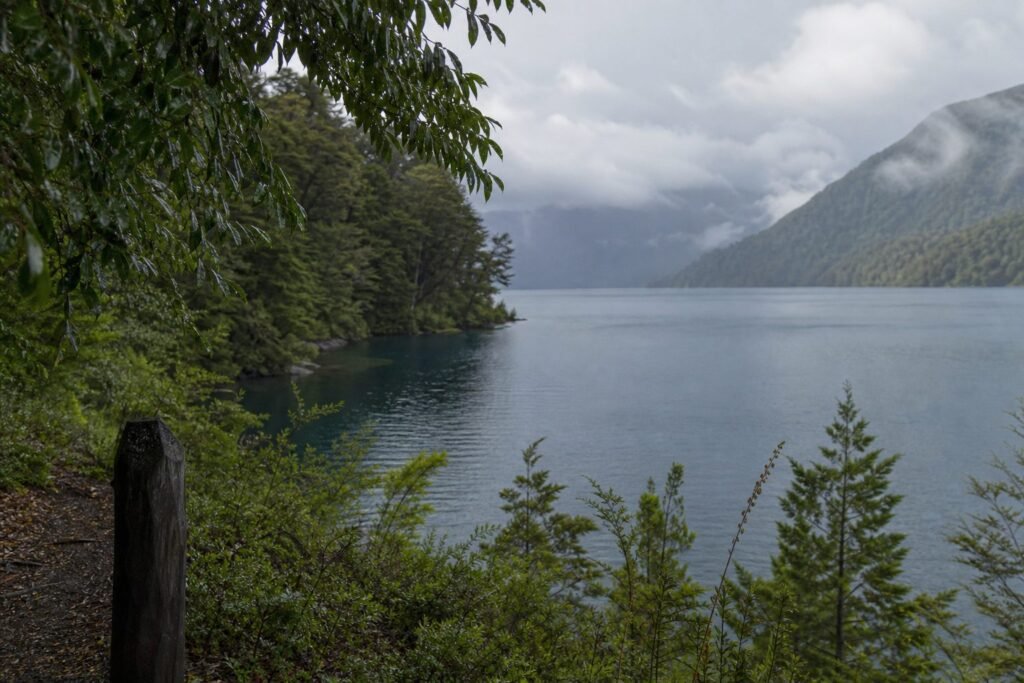
Which Argentina works for your travel style?
Health, safety and weather
Preparation should be regional. Mosquito-borne disease advice matters more in parts of the north; altitude matters in Jujuy and the High Andes; cold, wind and exposure matter in Patagonia. Yellow-fever vaccination is not an automatic decision for every traveller—consult current official health advice and an appropriate clinician based on itinerary and medical history.
Urban safety
Use ordinary big-city precautions: keep phones and bags controlled in crowded transport, use reliable late-night transport and avoid displaying valuables without awareness of the surroundings.
Outdoor safety
Carry layers, water and offline navigation. Tell someone your route, respect trail closures and do not let a blue sky at breakfast override official mountain or park advice.
Ten mistakes that weaken an Argentina itinerary
1. Treating the map as a timetable
Domestic distances, airport transfers and mountain roads turn short-looking lines into full travel days.
2. Booking EZE–AEP too tightly
The transfer crosses the Buenos Aires metropolitan area and must absorb traffic, baggage and check-in time.
3. Building Patagonia without weather space
A rigid one-day hiking window gives the forecast complete control over the experience.
4. Choosing wildlife dates at random
Whales, penguins, seals and other species follow different seasonal patterns and locations.
5. Using one payment method
Cards, networks and conversion conditions can fail or change. Carry a backup and some local currency.
6. Ignoring altitude
A demanding northwest drive or hike immediately after arrival can turn a beautiful route into an avoidable struggle.
7. Driving after a wine tasting
Mendoza’s estates are spread across large areas. Use a designated driver or organised transport.
8. Assuming every border is informal
Iguazú and Andean road trips may involve full immigration and vehicle-document checks.
9. Packing only for the season label
Summer Patagonia still needs wind and rain protection; high desert nights can be cold.
10. Leaving official checks until arrival
Park access, permits, entry rules and operating schedules should be verified before non-refundable bookings.
Entry, visas and legal checks
Entry requirements depend on nationality, travel document and purpose of stay. Verify them using Argentina’s official immigration and consular services before buying non-refundable travel. A tourist admission does not automatically authorise local paid work. Rules for minors, extensions, health insurance and onward travel can also change.
- Check whether your passport requires a tourist visa.
- Confirm passport validity and any supporting-document requirements.
- Review official rules for minors if a child travels with one parent or another adult.
- Carry evidence of accommodation, onward plans and insurance when required.
- Recheck the official rules shortly before departure, not only when first planning.
This guide is travel information, not legal advice. The official authority decides admission at the border.
Argentina itineraries from 7 to 30 days
| Length | Route | Why it works |
|---|---|---|
| 7 days | Buenos Aires 4 + Iguazú 3 | A high-impact first visit with one domestic flight and two contrasting environments. |
| 9 days | Buenos Aires 3 + Mendoza 3 + Uco Valley/Andes 3 | Urban culture, wine and mountain scenery without crossing the entire country. |
| 10 days | Salta 2 + Cafayate 2 + Quebrada de Humahuaca 4 + buffers 2 | A coherent northwest road journey with altitude and driving space. |
| 12 days | Buenos Aires 3 + Bariloche 4 + San Martín de los Andes 3 + transfers 2 | A balanced Lake District route suited to families and first-time Patagonia travel. |
| 14 days | Buenos Aires 3 + El Calafate 3 + El Chaltén 4 + Ushuaia 4 | The classic southern journey with enough time for weather-dependent days. See the detailed 14-day Argentina itinerary. |
| 21 days | Buenos Aires + Iguazú + northwest or Mendoza + one Patagonian corridor | Three clear chapters without attempting every famous region. |
| 30 days | Buenos Aires + north + wine/central Argentina + Lake District + southern glaciers | A broad national route with recovery days and slower regional travel. |
How to use the table: treat transfer days as real days, not invisible punctuation. If hiking, wildlife or a remote road is the reason for the trip, add the flexible day beside that experience rather than at the opposite end of the country.
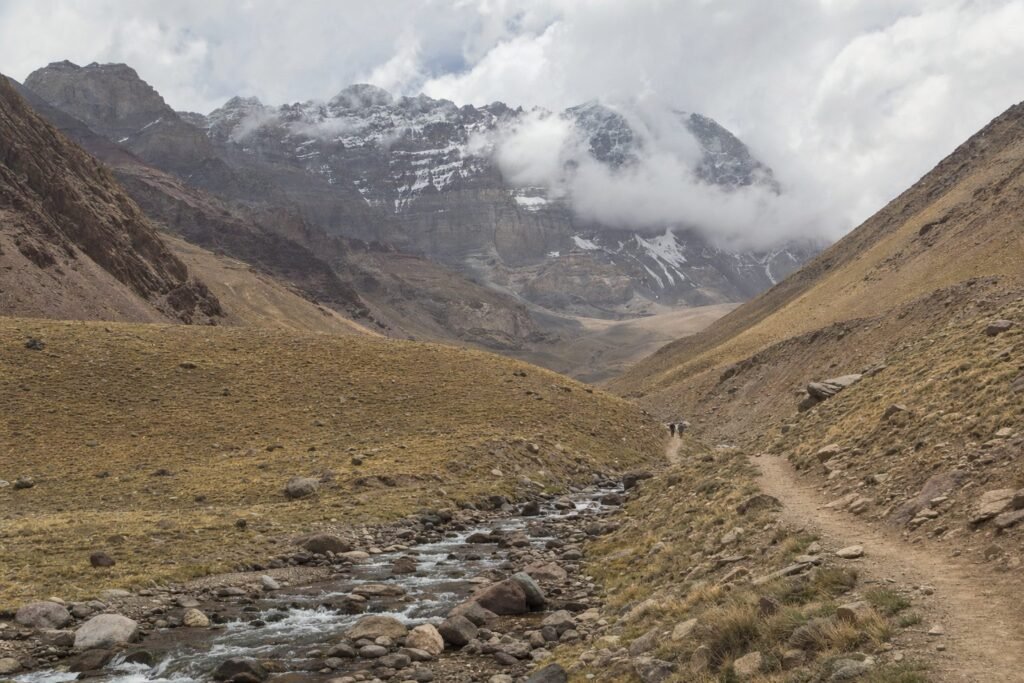
A practical packing checklist by route
Every itinerary
- Passport and offline copies of insurance and reservations
- Two payment methods stored separately
- Universal power solution and charged power bank
- Refillable bottle, sun protection and basic medication
- Offline maps and key addresses written in Spanish
Patagonia and mountains
- Windproof and waterproof outer layer
- Warm mid-layer, hat and gloves even outside winter
- Broken-in footwear with useful grip
- Small daypack, water and high-energy snacks
- Trail-specific equipment required by current conditions
North and wetlands
- Breathable clothing and strong sun protection
- Mosquito precautions appropriate to current health advice
- Light rain protection and quick-drying footwear
- Extra hydration capacity for high or hot routes
- Modest, practical clothing for community and religious sites
Winter journeys
- Insulating layers rather than one heavy item
- Water-resistant boots and warm socks
- Confirmed vehicle chain or tyre requirements
- Flexible tickets for weather disruption
- Official resort and road-status checks
Food and everyday culture
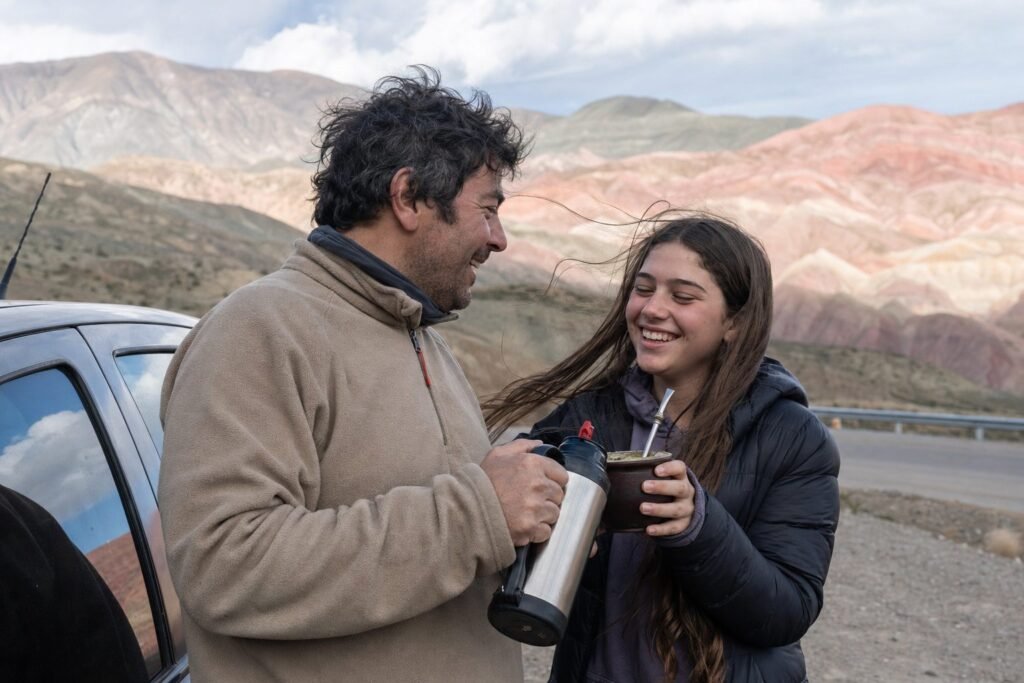
Argentina is more varied than steak and Malbec. Look for empanadas that change by province, locro, humitas, river fish, Patagonian lamb, Italian-influenced pasta and ice cream, and regional sweets. Mate is not simply a drink but a shared social rhythm. If someone offers it, follow the group’s lead: the same gourd and metal straw commonly pass from person to person.
Vegetarians can eat well in major cities, but remote regions need more planning. Travellers with allergies should carry a written Spanish explanation and confirm preparation methods, not only ingredients. Muslim travellers will find more choice in Buenos Aires than in small Patagonian towns; self-catering and seafood or vegetarian options can simplify regional journeys.
| Useful phrase | Spanish |
|---|---|
| Hello / thank you | Hola / gracias |
| How much does it cost? | ¿Cuánto cuesta? |
| I have an allergy to… | Tengo alergia a… |
| Without meat, please | Sin carne, por favor |
| Where does the bus leave from? | ¿De dónde sale el autobús / colectivo? |
| I need medical help | Necesito ayuda médica |
Frequently asked questions
How many days do I need for Argentina?
Ten to fourteen days is a useful first-trip range. Seven days can cover Buenos Aires and Iguazú or one Patagonian region; three to four weeks allows several regions without constant rushing.
What is the best month to visit?
No month is best everywhere. October–November and March–April are versatile for cities and parts of Patagonia, but snow sports, whale watching and high-altitude travel follow different calendars.
Is Argentina easy to travel without a car?
Yes for Buenos Aires, Iguazú, El Calafate and many organised excursions. A car adds flexibility in the Lake District, Mendoza wine areas and the northwest, subject to road and insurance conditions.
Should I visit both sides of Iguazú Falls?
Both sides are complementary, but the Brazilian side requires legal entry to Brazil and re-entry to Argentina. Allow border time and check visa rules for your passport.
Can I rely only on bank cards?
Do not depend on one card or one payment network. Carry a backup card and a reasonable amount of local cash, and verify current conversion and fee rules.
Is Patagonia one destination?
No. The Lake District, Valdés coast, glacier country and Tierra del Fuego are widely separated. Choose one or two corridors based on your main interest.
Do I need a guide for hiking?
Many marked day trails can be walked independently in suitable conditions. Technical routes, winter conditions and some protected activities require permits, registration or professional guidance.
Can tourists work in Argentina?
Tourist admission does not generally authorise local paid work. Check the appropriate official immigration category if work or a longer remote-work stay is part of the plan.
Official and primary sources
Use these sources to verify changing details such as entry rules, opening dates, permits, park fees and transport schedules.
Official sources checked
Last editorial check: 30 July 2026. Always use the linked authority’s current page as the final reference.