Last reviewed: August 2, 2026. Transport and visitor information were checked against official Buenos Aires and Argentina resources. Opening hours, fares and reservation systems can change, so confirm time-sensitive details before travel.
Five days in Buenos Aires is enough to understand the city rather than simply photograph it. The key is to plan by neighbourhood. Palermo, Recoleta, San Telmo and the historic centre may look close on a map, but each rewards several unhurried hours and the city’s late dining rhythm changes how much fits into a day.
This itinerary balances the essential landmarks with bookshops, parks, food and one evening performance. It also leaves enough space for Buenos Aires to do what it does best: turn a short walk into a long afternoon.
Buenos Aires in five days: the short plan
| Day | Area | Main focus |
|---|---|---|
| 1 | Microcentro and San Nicolas | Plaza de Mayo, Avenida de Mayo, the Obelisk and Corrientes |
| 2 | Recoleta | Cemetery, architecture, museums and parks |
| 3 | San Telmo and La Boca | Historic streets, market culture and a carefully timed La Boca visit |
| 4 | Palermo | Gardens, design, cafes and an evening out |
| 5 | Your priority | Tigre, football culture, art or a slower neighbourhood day |
Where to stay for a first visit
Recoleta is a comfortable all-round base with attractive streets and straightforward access to the centre. Palermo suits travellers who care about restaurants and nightlife, although journeys to the historic sights are longer. San Telmo has atmosphere and older architecture, but the experience changes from block to block and deserves careful accommodation research.
Microcentro is convenient during working hours and for transport, yet some streets become quiet at night. Choose a base for the evenings you want, not only for the attractions you intend to visit at noon.
Day 1: Plaza de Mayo, Avenida de Mayo and Corrientes
Begin at Plaza de Mayo, where the Casa Rosada, cathedral and civic buildings make the city’s political history visible in one square. Continue on foot along Avenida de Mayo, looking into historic cafes and the changing architectural styles rather than racing between pins.
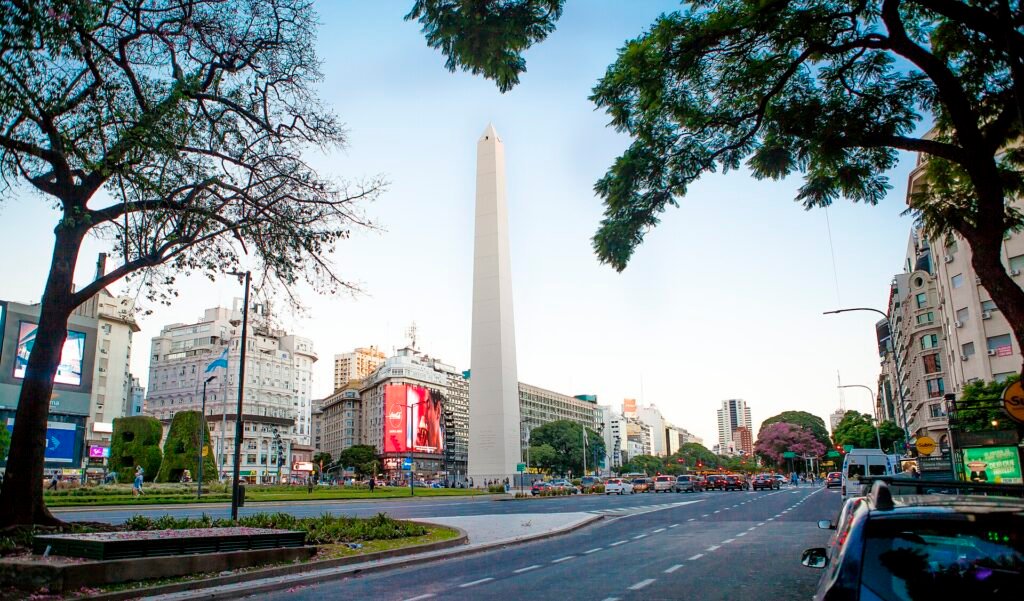
Palacio Barolo is worth reserving if its architecture or viewpoints interest you. Otherwise, continue towards Congreso and return by Subte or bus. Later, walk Avenida Corrientes around the theatre district and the Obelisk. This part of the city makes more sense after dark, when bookshops, pizza counters and theatres are active.
Do not make the first day depend on a late dinner reservation. International arrivals, airport traffic and the local meal schedule can turn a tightly timed plan into work.
Day 2: Recoleta beyond the cemetery
Reserve a morning for Recoleta Cemetery and check its current admission arrangements before arriving. A guided visit can add context to the mausoleums and the political families represented there; without context, it is easy to see only elaborate stonework.
Build the rest of the day around one museum rather than three. The Museo Nacional de Bellas Artes, MALBA and the decorative-arts museum serve different interests and are not interchangeable. Add the Floralis Generica, nearby parks and time for coffee. Recoleta works particularly well as a walking day because the spaces between the headline sights are part of the appeal.
Day 3: San Telmo first, La Boca second
San Telmo is more than its Sunday fair. Visit the market, walk Defensa and explore the side streets, but distinguish a working neighbourhood from a stage set. On Sundays the area is lively and crowded; on other days it is easier to notice architecture and local businesses.
Continue to La Boca in daylight using a clear transport plan. Caminito is colourful and historically significant, but it is a compact visitor zone rather than a reason to wander without direction through every surrounding street. A guided cultural or football-focused visit can provide a fuller account of migration, port history and Boca Juniors.
Return to San Telmo or the centre for the evening. If you want a tango show, compare venue size, performance format, transport and whether dinner is genuinely important to you. A neighbourhood milonga offers a different experience and comes with its own etiquette.
Day 4: Palermo’s parks and neighbourhoods
Start around the Bosques de Palermo and choose the garden or museum that best fits the weather. Palermo is enormous, so phrases such as “spend the day in Palermo” need a more precise plan. The park district, Palermo Soho and Palermo Hollywood are separate clusters.
Use the afternoon for independent shops, galleries and cafes around Soho, then book dinner nearby. Buenos Aires eats late by many visitors’ standards. A small afternoon snack makes the schedule easier than arriving hungry before kitchens are busy.
Day 5: choose one meaningful extension
Tigre and the delta
Tigre is the most practical change of scenery. Suburban rail reaches the town, where boat trips introduce the delta’s waterways and residential life. Check service and boat schedules rather than treating it as an improvised half-day.
Football and local history
A stadium museum or responsibly arranged match experience suits travellers interested in football culture. Tickets, entry procedures and kickoff times require specialist planning; do not buy informally without understanding the risks.
A slower city day
Use the final day for Belgrano, Villa Crespo, a second museum or the meal you could not fit earlier. The better choice is often depth, not another distant landmark.
How to get around Buenos Aires
The Subte is useful for central corridors, while buses fill the gaps and operate across a much larger network. Public transport generally uses the rechargeable SUBE card. Confirm current purchase and top-up options through the official system, especially if arriving late or on a public holiday.
- Subte: fastest for several central journeys, with crowding at commuter times.
- Bus: extensive and often direct, but route direction matters.
- Taxi or app: useful late at night and between areas without a simple connection; verify the vehicle and pickup point.
- Walking: excellent within each neighbourhood, less sensible as the only way to cross the city.
Food, money and daily rhythm
Plan for later dinners, particularly on weekends, and reserve only the meals that would be disappointing to miss. Mix parrillas with cafes, bakeries, neighbourhood restaurants and the city’s strong Italian influence. Ordering steak every night is not a complete Buenos Aires food plan.
Argentina’s payment and exchange environment can change quickly. Check current official and bank guidance shortly before departure, carry more than one payment method and avoid building a budget around an exchange rate seen months earlier.
When to visit
Spring and autumn often provide comfortable walking weather. Summer can be hot and humid, while winter is cooler and may feel damp. Buenos Aires remains a year-round city, so the best month depends more on your tolerance for heat, event dates and the wider Argentina route than on a single perfect season.
Common planning mistakes
- Crossing the city repeatedly instead of grouping sights by neighbourhood.
- Treating La Boca as an unstructured walking area, especially after dark.
- Booking an early dinner every night and missing the city’s natural rhythm.
- Using airport arrival day as one of only two sightseeing days.
- Adding a rushed day trip when several city interests remain unexplored.
Frequently asked questions
Are five days too many for Buenos Aires?
No. Five days lets a first-time visitor see the major neighbourhoods, recover from arrival and choose one extension without compressing every evening.
Can I visit Buenos Aires without speaking Spanish?
Yes, but basic Spanish improves everyday interactions. Save addresses offline and learn practical phrases for transport, restaurants and payments.
Is Tigre worth giving up a city day?
It is worthwhile when you want a quieter water-based excursion. Travellers with only three days should usually remain in Buenos Aires.
Continue planning Argentina
Use our Argentina travel guide to choose the wider route, then compare the capital with our 14-day Argentina itinerary. If the waterfalls are next, read the Iguazu Falls comparison.
Official planning links
- Buenos Aires tourism: getting around
- Buenos Aires tourism: neighbourhoods
- Visit Argentina: planning a Buenos Aires stay
- Argentina government: SUBE transport card
Featured image: Avenida 9 de Julio and the Obelisk by Leonardo Samrani via Wikimedia Commons, CC BY 2.0.