Last reviewed: August 2, 2026. Seasonal guidance was checked against official Argentina and Chile tourism resources and destination-specific climate information. South America spans many climate zones, so verify the exact region before booking.
There is no single best time to visit South America. January is high summer in Patagonia and a wetter period in much of the central Andes. July is popular for Peru’s drier highlands but winter in Buenos Aires and the coolest period in southern destinations. The right month depends on the trip’s least flexible experience.
Choose the region first, then the season. This guide shows the trade-offs month by month without pretending an entire continent shares one forecast.
South America month by month
| Months | Strong choices | Main trade-offs |
|---|---|---|
| January-February | Patagonia, Atlantic beaches, summer city events | High demand in the south; rain in parts of the Andes and Amazon |
| March-April | Shoulder season in Patagonia, many cities, wine regions | Changeable weather; Easter demand in some destinations |
| May-June | Peru and Bolivia highlands, lower-crowd city trips | Cold nights at altitude; southern trekking season ends |
| July-August | Andes, Galapagos wildlife interests, some Amazon routes | Peak demand in Peru; winter conditions in the far south |
| September-October | Many cities, spring landscapes, early Patagonia season | Wind and rapid weather shifts; regional holidays |
| November-December | Patagonia, beaches, broad multi-country routes | Rising prices and holiday demand; wet season develops in parts of the Andes |
Best time for Peru, Bolivia and the central Andes
The drier highland period is generally the most straightforward for Cusco, Machu Picchu, Lake Titicaca and many Bolivian routes. It also brings cold nights, strong sun and high demand. The wetter months can deliver green landscapes and fewer visitors, alongside cloud, rain and possible transport disruption.
Altitude does not change with the season. Build acclimatisation into any month and check whether a specific trek closes or changes operation. For Machu Picchu, ticket availability can matter more than a broad climate average.
Best time for Patagonia
Late spring through early autumn provides the broadest access for Patagonia, with long daylight and the main hiking season. It is also the busiest and often windiest period. Weather can change quickly even in midsummer, and a clear forecast in one town says little about a mountain pass.
Shoulder months suit travellers who accept colder, less predictable conditions in exchange for fewer visitors. Winter is a specialist trip shaped by snow sports, limited services and route closures rather than a cheaper version of summer hiking.
Best time for Buenos Aires, Santiago and major cities
Spring and autumn are comfortable for long urban walks in Buenos Aires and Santiago. Summer can be hot, while winter is cooler and works well for museums, food and cultural travel. Cities remain viable year-round because poor weather does not remove the entire reason to visit.
Rio de Janeiro follows a different pattern: beach weather, humidity, rainfall and major events all affect demand. Compare the experience you want with the event calendar instead of choosing solely by average temperature.
Best time for Brazil’s regions
Brazil is too large for one season label. The northeast coast, Rio and the southeast, the Pantanal and the Amazon have different rain and wildlife cycles. A month that suits a beach holiday may not be ideal for a wetlands safari.
For the Pantanal, water levels influence road access, boat activity and where wildlife gathers. For the Amazon, high and lower water create different forest access rather than a simple good/bad division. Ask a reputable lodge what its activities look like in your month.
Best time for the Amazon
The Amazon is warm, humid and rainy throughout the year, with meaningful differences in river level and rainfall by gateway. Higher water can allow canoe access into flooded forest. Lower water may expose beaches and concentrate some wildlife, while also making certain channels inaccessible.
Do not compare Manaus, Iquitos and Leticia using one generic Amazon chart. Ask about the exact lodge area, boat transfer and activity mix. Our Amazon gateway comparison explains the route choice.
Best time for Ecuador and the Galapagos
Mainland Ecuador changes by elevation and side of the Andes. Quito, the cloud forest, Amazon and coast can experience different conditions on the same day. The Galapagos has a warmer, wetter period and a cooler period influenced by ocean currents, each supporting different wildlife and sea conditions.
Choose Galapagos dates around species interests, cruise or hotel availability, water temperature and tolerance for rougher crossings. There is no month when every species performs on command.
Best time for Colombia
Colombia’s equatorial location makes altitude and regional rainfall more useful than four-season labels. Cartagena’s heat, Bogota’s highland climate, Medellin’s rainfall and the Caribbean islands should be checked separately. Festivals and domestic holidays can have more effect on availability than a small temperature difference.
Choose the month from your anchor experience
Rank the trip’s priorities:
- Fixed activity: a trek, wildlife window, festival or cruise.
- Region: the place where weather most affects access.
- Tolerance: heat, cold, rain, altitude and crowds.
- Budget: flights and rooms around peak dates.
- Flexibility: whether one bad-weather day can be moved.
Book the trip around item one. A broad claim such as “October is best for South America” is not useful when your anchor is a February Patagonia trek or a July Peru route.
Multi-country planning by season
December to February
Build around Patagonia, Argentina and Chile, then add cities or Brazil. Treat Andean rain as a route factor.
May to August
Build around Peru, Bolivia and northern Chile. Add cities, but pack for large day-night temperature changes.
September to November
Combine cities and the Andes, or enter Patagonia as services reopen. Keep weather buffers for the far south.
March to April
Use shoulder season for Argentina, Chile and urban travel, while checking Easter and local holiday demand.
Climate mistakes that cost time
- Reading a country-wide forecast for a high-altitude destination.
- Assuming dry season means no rain.
- Choosing Patagonia dates without checking trail and transport operation.
- Comparing Amazon seasons without identifying the exact river area.
- Ignoring domestic school holidays and major festivals.
- Packing for daytime averages instead of wind, altitude and nights.
Frequently asked questions
What is the cheapest month to visit South America?
There is no continent-wide cheapest month. Air routes, holidays and local high seasons differ. Compare total trip cost for your exact destinations.
Is July a good month?
July is strong for many Andean routes and less suitable for ordinary summer hiking in far-southern Patagonia. It is peak demand in several Peru destinations.
Can I visit during the rainy season?
Often yes. Use flexible days, appropriate gear and current access information. Some specific trails or roads may be disrupted even when cities remain easy to visit.
Continue planning South America
Turn the season into a route with our three-week South America itineraries. Compare first-trip anchors in the best places for a first visit, or focus on the south with our 12-day Patagonia itinerary.
Official planning links
- Visit Argentina: seasons and country planning
- Visit Argentina: regional weather guidance
- Chile Travel: climate and weather by region
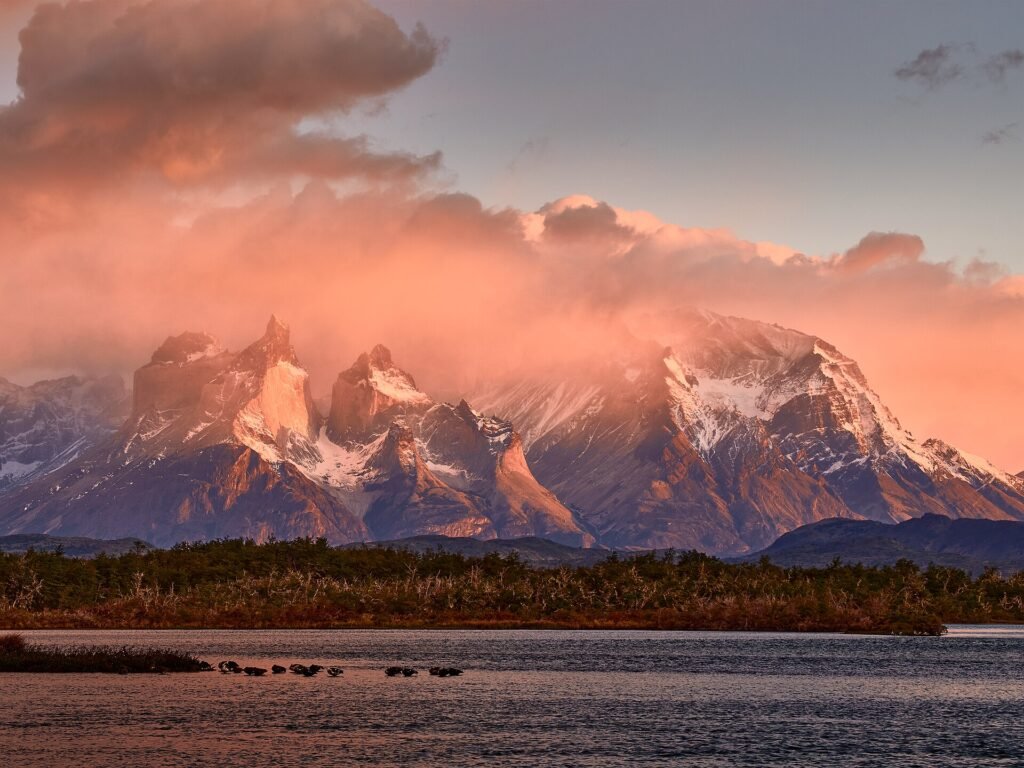
Featured image: Cuernos del Paine in Patagonia by Pedro Szekely via Wikimedia Commons, CC BY-SA 2.0.