Last reviewed: August 2, 2026. Destination and climate guidance were checked against Chile’s official tourism portal. Access, tour departures and weather conditions can change, particularly at high-altitude sites.
San Pedro de Atacama is not one attraction. It is a small desert base surrounded by salt flats, lagoons, volcanic landscapes, archaeological sites and some very high roads. A good five-day itinerary sequences those environments carefully instead of placing the coldest, highest excursion immediately after arrival.
The plan below assumes five nights in San Pedro, with arrival and departure through Calama. It works for a first visit and can be adjusted around weather, altitude response and the moon phase if stargazing matters.
Five days in San Pedro de Atacama: the short plan
| Day | Plan | Why it fits here |
|---|---|---|
| 1 | Arrival, town and a gentle sunset outing | Low physical demand after travel |
| 2 | Atacama Salt Flat and lower lagoons | First full landscape day without the earliest start |
| 3 | Altiplanic lagoons | Higher terrain after an acclimatisation buffer |
| 4 | El Tatio geysers, then rest | Very early, cold and high-altitude excursion |
| 5 | Archaeology, cycling or a flexible reserve day | Protects the trip from weather and fatigue |
Before booking: understand the altitude
San Pedro itself is already high enough for some visitors to notice dry air, faster breathing or a mild headache. Several popular day trips climb much higher. Fitness does not prevent altitude illness, and a fast itinerary can make symptoms harder to interpret.
Keep arrival day light, drink water regularly, limit alcohol at first and do not hide worsening symptoms to preserve a booking. Severe headache, confusion, breathlessness at rest or loss of coordination requires urgent attention and descent. Travellers with relevant heart, lung or pregnancy concerns should seek medical advice before a high-altitude itinerary.
Day 1: arrive slowly and learn the town
Allow generous time between landing in Calama and any afternoon activity. The transfer to San Pedro, hotel check-in and the dry climate make a rigid first day unnecessary. Walk around the central streets, locate water and food, and confirm the following day’s pickup details in person.
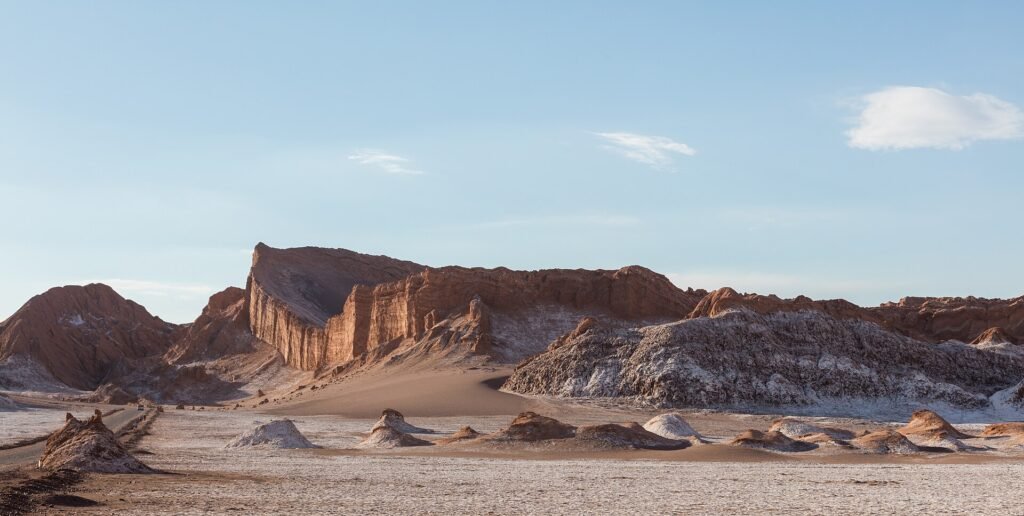
If energy is good, choose a lower, shorter sunset outing such as Valle de la Luna. Timed access and tour formats can change, so verify current arrangements rather than assuming you can arrive at any hour. Keep the evening simple and do not schedule stargazing if an early departure follows.
Day 2: salt flat landscapes and desert ecology
Use the first full day for the Salar de Atacama area and lower-altitude lagoons offered on the same route. The value is not only the view: a responsible guide should explain water, salt, wildlife and the pressure tourism places on a fragile desert system.
Ask what is included before booking. Entrance fees, meals and protective clothing are not handled identically by every operator. If a swimming stop is advertised, confirm whether it is currently permitted and shower only where local rules allow; desert water is not an unlimited resource.
Day 3: the altiplanic lagoons
After two nights, consider a higher circuit to the altiplanic lagoons. The scenery is expansive, but the day often combines road time, cold wind and sharp sunlight. Move slowly at stops and tell the guide about symptoms early.
Do not add a demanding evening because the vehicle returned before dinner. High altitude can leave travellers more tired than the amount of walking suggests. This is a good night for an early meal and a flexible bedtime.
Day 4: El Tatio before dawn
El Tatio departures are usually extremely early because the geothermal field is most atmospheric around dawn. The experience also combines the week’s coldest temperatures with one of its highest elevations. Pack gloves, warm layers and sun protection rather than relying on a single heavy jacket.
Stay on marked routes and follow site instructions around geothermal features. The ground can be unstable and water dangerously hot. Once back in San Pedro, protect the afternoon for sleep, a quiet lunch or a short museum visit.
Day 5: keep one decision open
A flexible final day is not wasted. It can absorb a weather cancellation, allow an archaeological visit around Pukara de Quitor, support a careful cycling route or become a second landscape excursion if everyone feels well.
Choose cycling only with enough water, sun protection, a clear route and realistic knowledge of the return effort. Distances that look small on a screen feel different in heat, wind and altitude.
Stargazing: plan around conditions, not marketing
The Atacama Desert is famous for dark skies, but a tour can still be affected by cloud, wind and moonlight. Check the moon phase before choosing dates and ask the operator how cancellations are handled. A bright moon is not a failed trip – it changes what is easiest to observe.
Professional observatories are not automatically visitor attractions. Book a public stargazing experience designed for travellers rather than assuming access to a scientific facility.
How to choose a tour operator
- Ask for the exact route, maximum group size and vehicle type.
- Confirm guide language, pickup zone and realistic return time.
- Check whether park or community fees are included.
- Ask what happens if weather or access closes the route.
- Avoid wildlife guarantees and operators who pressure visitors to ignore site rules.
What to pack
Use layers: dawn at altitude and a sunny afternoon require different clothing. Bring a warm hat, gloves, sunglasses, high-protection sunscreen, lip balm, a reusable water bottle and footwear with dependable grip. Dust can be hard on contact lenses and electronics.
Do not rely on buying specialist medication or equipment after arrival. San Pedro has services, but it is a small remote town and selection can be limited.
When to visit
Atacama is a year-round destination, but temperature swings, wind and highland summer weather matter. Chile’s official tourism guidance notes that the north is generally dry while conditions vary with altitude. Research the exact excursions, not only San Pedro’s town forecast.
Peak dates bring higher demand. Reserve accommodation and essential tours, but preserve enough flexibility to rearrange outdoor days.
Can you combine Atacama with Uyuni?
Yes, but the border crossing and multi-day high-altitude route make this an expedition segment, not a simple transfer. Compare operator responsibility on both sides, vehicle standards, sleeping conditions, border requirements and contingency plans. Read our Salar de Uyuni tour guide before committing.
Common planning mistakes
- Booking El Tatio for the first morning after a late arrival.
- Assuming every tour fee and meal is included.
- Packing for daytime heat but not for freezing high-altitude dawns.
- Scheduling a stargazing tour without checking the moon phase.
- Using a same-day Calama flight connection with no road or weather buffer.
Frequently asked questions
Are five days enough for San Pedro de Atacama?
Yes. Five days allows the main landscape types, an acclimatisation sequence and one flexible day. Three days is possible but forces harder choices.
Do I need a rental car?
No. Organised tours are practical for high, remote and dawn excursions. Independent drivers need suitable insurance, fuel planning, navigation and confidence on isolated roads.
Is Atacama suitable for children?
Some lower outings can be, but altitude, cold, long drives and very early starts require individual medical and practical judgment. Check operator age rules.
Continue planning Chile
Place San Pedro within a larger route using our Chile travel guide. For a longer continental journey, compare our three-week South America routes.
Official planning links
Featured image: Valle de la Luna near San Pedro de Atacama by Diego Delso via Wikimedia Commons, CC BY-SA 4.0.