Last reviewed: August 2, 2026. Most three-day Salar de Uyuni tours advertise the same broad route: salt flats, high-altitude lagoons, volcano views, simple desert lodging and an early finish near geysers or hot springs. The meaningful differences are less photogenic: driver rest, vehicle condition, oxygen plan, group size and what happens when weather closes the usual road.
This guide helps you choose a safer Uyuni tour and understand the route before paying a deposit.
What a three-day Uyuni tour normally covers
Day 1: Uyuni, salt flats and sunset
Tours usually leave Uyuni after a morning briefing and visit the train cemetery or Colchani before entering the salar. The exact sequence matters less than avoiding long shopping stops that steal daylight from the landscape. Incahuasi and other sites may be accessible or closed according to conditions and management decisions.
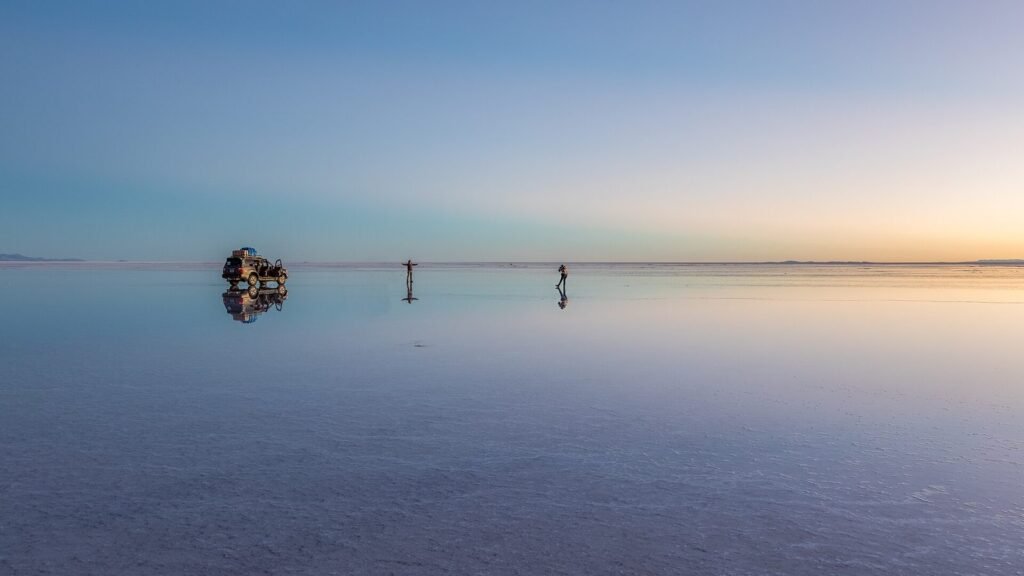
During the wet period, a thin layer of water can create the famous reflection. It can also restrict how far vehicles travel. In drier conditions, the geometric salt surface and easier crossings produce a different, equally valid experience.
Day 2: Altiplano lagoons and Eduardo Avaroa region
The second day is often the longest, with rough roads, strong sun and elevations well above Uyuni. Colored lagoons and flamingo habitat are sensitive environments. Stay on designated areas, follow protected-area staff and do not pressure a driver to leave established tracks for a photograph.
Day 3: Geothermal landscape and return
An early departure may reach geyser fields, hot springs and desert formations before either returning to Uyuni or transferring travelers toward the Chilean border. A border drop-off is a separate logistical commitment. Confirm which company completes the transfer, what happens if the border closes and where your luggage changes vehicles.
The operator checklist that matters
Ask these questions in writing before you book:
- Who is the operating company? A seller may be an agency that assigns you to another operator.
- How many passengers share the vehicle? Count the driver and luggage configuration, not only the advertised seats.
- How are drivers scheduled and rested? A vague answer is not reassuring on long, repetitive roads.
- What emergency equipment is carried? Ask specifically about first aid, communication, spare tire, tools and oxygen availability or protocol.
- What training covers altitude illness? Oxygen is not a substitute for descent or medical care.
- What exactly is included? List meals, water, sleeping bags, showers, heating, park fees and border transfer.
- What route changes in wet weather? Get the fallback plan and refund terms.
- Is the operator authorized for protected areas? Bolivia’s protected-area visitor rules allow access subject to current management and operator requirements.
Altitude is the main health variable
Uyuni is already high, and the circuit climbs considerably higher. Spend acclimatization time at altitude before the tour when possible. Move slowly, eat lightly, stay hydrated and avoid using alcohol or intense exercise as a way to test yourself.
Headache, nausea and poor sleep can occur. Confusion, inability to walk normally, severe breathlessness at rest or rapid deterioration require urgent action and descent. Discuss personal risks and medication with a qualified clinician before travel; a tour guide cannot assess your medical history online.
Tell the operator about symptoms early. Hiding them to avoid inconveniencing the group can remove the safest options.
Inspect the vehicle and briefing
Arrive early enough to see the vehicle, luggage arrangement and tires. Ask where fuel and emergency supplies are carried. A clean vehicle is pleasant, but maintenance history, driver behavior and working seat belts matter more.
The driver should explain daily duration, stops and conduct. Do not encourage speeding to reach sunset or a border connection. Keep your seat belt on where fitted, and speak up if fatigue or unsafe driving concerns the group.
Wet season versus dry season
Wet conditions can create reflections, cloud drama and route restrictions. Deep water damages the salt crust and can make standard crossings unsafe. Dry conditions reveal polygon patterns and usually allow a broader route, with colder nights and dust on the surrounding circuit.
No operator can guarantee a mirror. Wind, water depth, cloud and access change quickly. Book the season you prefer, then accept the landscape that is safely available.
Understand the accommodation
Budget tours often use shared, simple lodging with limited heat, hot water or electricity. Ask for room occupancy, bathroom type, bedding and charging availability. If a private room or hot shower matters, pay for a confirmed category rather than assuming an upgrade will exist in the desert.
Bring a warm sleeping layer even when bedding is included. Night temperatures can feel severe after a long day in the vehicle.
What to pack for three days
- Warm layers, windproof outerwear, gloves and a hat.
- High-protection sunscreen, sunglasses and lip balm.
- Water, snacks and personal medication.
- Toilet paper, hand sanitizer and a small towel.
- Power bank and protective bags for dust or salt.
- Cash for confirmed local fees and small purchases.
- Passport and any border documents if continuing to Chile.
Travel lightly on a fragile surface
Use toilets where provided, carry waste until it can be disposed of properly and never take salt formations as souvenirs. Keep distance from flamingos and other wildlife. The Eduardo Avaroa reserve’s official visitor regulation sets conduct and access rules for a protected landscape, not a free-driving playground.
Uyuni or San Pedro de Atacama start?
Starting in Uyuni is usually simpler for Bolivia-focused trips and may make acclimatization easier if you have already traveled through La Paz or Sucre. Starting from San Pedro de Atacama can fit a Chile route but involves a rapid climb in elevation. Compare the actual first night and transfer process.
If entering or leaving Bolivia by land, verify immigration hours, nationality-specific visa rules and the exact border used. A tour booking is not an entry permission.
Red flags worth walking away from
Do not book when the seller refuses to name the operator, promises an impossible route regardless of weather, cannot describe emergency procedures or pressures you to pay cash without a receipt. A slightly cheaper tour is not a saving if it removes accountability.
Our Bolivia travel guide covers La Paz, Sucre, entry checks and a wider country route.
Frequently asked questions
Is a three-day Salar de Uyuni tour safe?
It can be responsibly operated, but the route is remote and high. Safety depends on the company, driver, vehicle, conditions and your health preparation.
When can I see the mirror effect?
It is associated with water on the salt flats, often during wetter months, but it cannot be guaranteed. Too much water can restrict access.
Do I need to acclimatize before Uyuni?
Yes, when your schedule allows. The route climbs above Uyuni, so arriving directly from sea level and departing immediately increases discomfort and risk.
Can the tour drop me at the Chile border?
Many routes offer a transfer toward Chile, but confirm the operator, immigration process, luggage handoff and contingency plan in writing.
Official planning links
Featured image: Salar de Uyuni by Diego Delso via Wikimedia Commons, CC BY-SA 4.0.