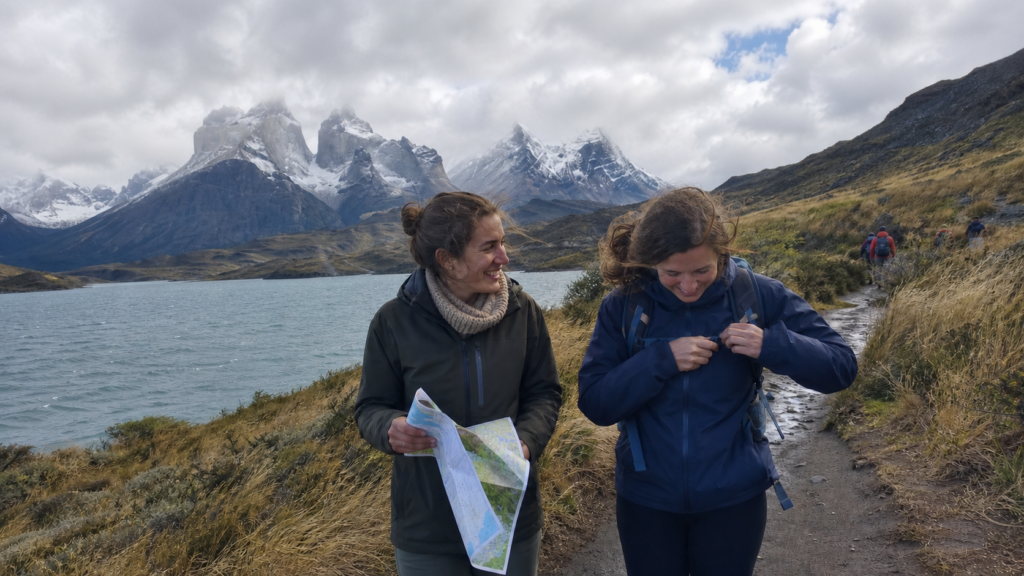
Two weeks in Argentina can feel wonderfully expansive—or disappear into boarding passes. The strongest first trip gives Buenos Aires room to breathe, then follows one clean line south through glaciers, trail towns and the Beagle Channel.
The quick answer
For a first visit, the most rewarding 14-day route is three days in Buenos Aires, three based in El Calafate, four around El Chaltén and four for Ushuaia and the journey home. It begins with cafés, neighbourhood walks and late dinners; it ends among blue ice, wind-shaped forests and the cold water of the Beagle Channel.
The discipline is in what you leave out. Iguazú Falls, Mendoza and Bariloche are exceptional, but adding them turns a journey into a chain of check-in desks. Save them for another Argentina.
For a wider comparison of regions, seasons and 26 destinations, start with our complete Argentina travel guide.
14-day itinerary at a glance
| Days | Base | Main focus | Nights |
|---|---|---|---|
| 1–3 | Buenos Aires | Neighbourhoods, food, history and recovery from the international flight | 3 |
| 4–6 | El Calafate | Fly south, Perito Moreno Glacier and one flexible day | 3 |
| 7–10 | El Chaltén | Road transfer, hiking and weather flexibility | 4 |
| 11–14 | Ushuaia | Tierra del Fuego, Beagle Channel and departure buffer | 4 |
The least glamorous decision may save the trip: never treat Day 14 as a safe same-day connection to an international flight from Buenos Aires. If your homeward ticket leaves from EZE, return on Day 13 and sleep near the correct airport.
Days 1–3: Buenos Aires without rushing it
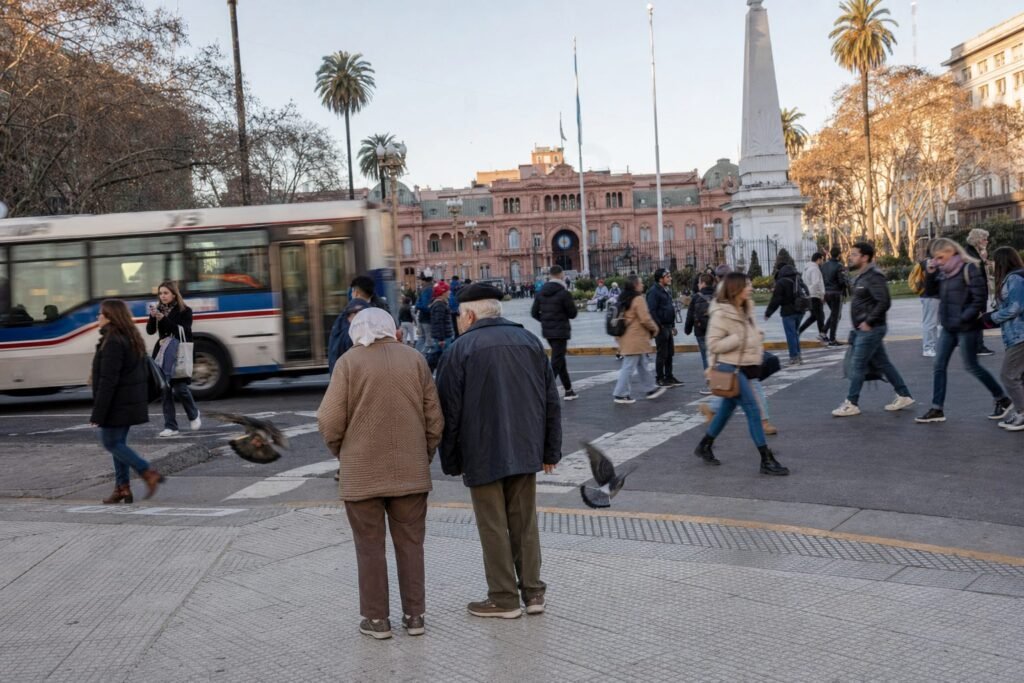
Buenos Aires is not a warm-up act to hurry through. It is where the trip finds its rhythm: coffee at a pavement table, grand avenues giving way to leafy side streets, and dinner beginning later than your body clock expects.
Arrival and one walkable neighbourhood
After a long flight, resist the urge to prove anything. Check in, reset, then choose one neighbourhood and walk without a checklist. Palermo feels leafy and sociable; Recoleta grand and composed. Let the first evening be about finding the city’s pace, not collecting monuments.
Historic centre and San Telmo
Begin at Plaza de Mayo, where commuters, buses and national history share the same stage. Continue toward San Telmo, but do not march through it. Pause over a long lunch, follow a side street that looks interesting and check museum opening days before fixing the order.
Recoleta, Palermo and an evening plan
Spend the morning among Recoleta’s museums or Palermo’s parks, then give the evening one clear purpose: live music, theatre, a thoughtful tango performance or a restaurant you are excited about. Buenos Aires becomes more memorable when you leave room for it to surprise you.
Airport rule
EZE and AEP are not two terminals of one airport. EZE lies outside the centre and handles most long-haul flights; AEP sits much closer to the city and serves many domestic routes. A tight transfer between them is a gamble with traffic, baggage and check-in time.
Days 4–6: El Calafate and Perito Moreno Glacier
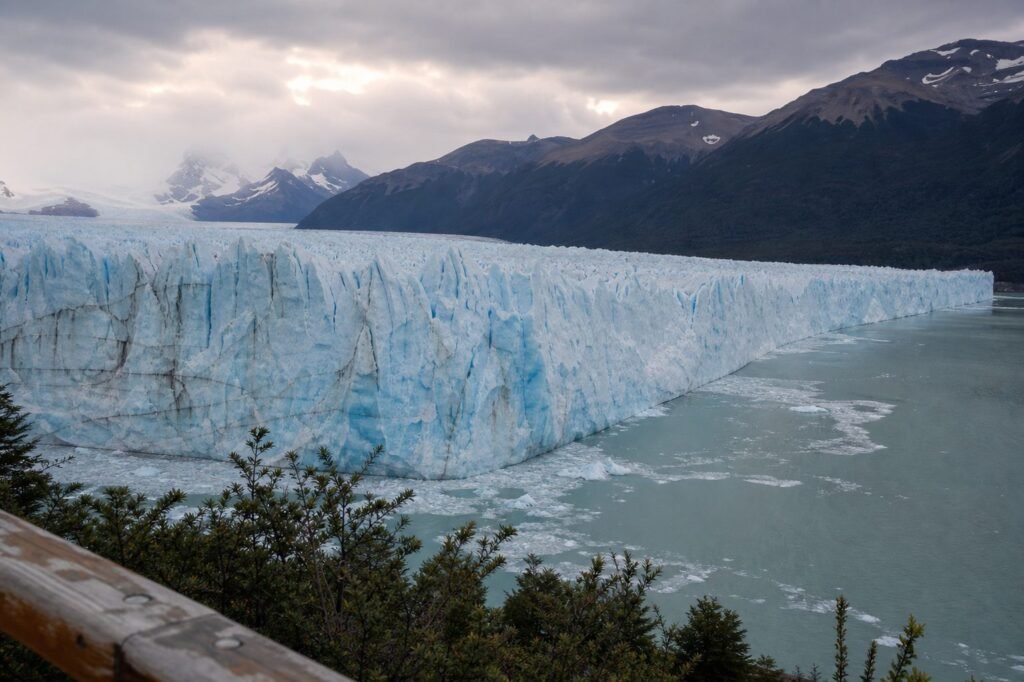
The first southern flight changes the scale of everything. Streets thin out, the horizon widens and Lago Argentino appears in improbable shades of blue. From here, the landscape—not the clock—begins to lead.
Fly to El Calafate
Choose a morning or midday flight. When the city gives way to open steppe and pale water, the change in scale feels immediate. After landing, settle in, walk beside Lago Argentino and confirm tomorrow’s transport. The quiet evening is not wasted time; it is insurance.
Perito Moreno Glacier
Give Perito Moreno an unhurried day. The walkway network shifts the view from wide panorama to deep-blue fissures; in quieter moments, you may hear the ice crack before you see anything move. Boat and ice activities are optional additions with separate timing, rules and booking requirements.
Flexible lake or recovery day
This is the day a rigid itinerary calls “extra” and an experienced traveller calls essential. Use it for a lake excursion, another glacier experience or simple recovery. Wind, weather and operational changes are part of Patagonia, not an interruption to it.
Why three nights?
Two nights work only when every flight and forecast behaves. Three nights protect the glacier day, soften the journey south and let El Calafate feel like a destination rather than a transfer desk.
Days 7–10: El Chaltén and the Fitz Roy landscape
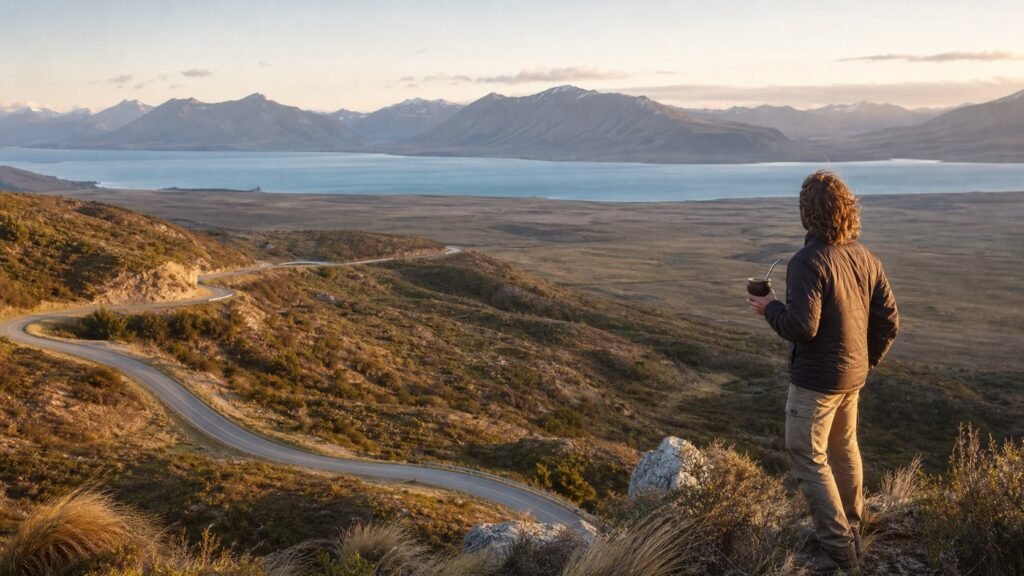
El Chaltén rewards patience more than ambition. Mountains can vanish behind cloud and return an hour later, so the extra nights are not empty space; they are the heart of the plan.
Transfer to El Chaltén
The road to El Chaltén crosses a broad, almost empty steppe; when the weather cooperates, the Fitz Roy skyline appears long before the town. Use the afternoon for the visitor centre, current trail conditions and a short walk. Buy tomorrow’s snacks before the shops close.
Your main hiking day
Wake up to the forecast, not to a fixed ambition. Choose the trail that fits the weather, daylight and your actual fitness. Laguna de los Tres is magnificent but demanding; shorter routes can deliver extraordinary views without turning the day into an endurance test.
Second trail or weather swap
If the mountains hid yesterday, today gives them another chance. Walk a second trail, repeat a viewpoint in better light or slow down over coffee while the cloud lifts. This flexible day is the difference between experiencing El Chaltén and gambling everything on one forecast.
Return toward El Calafate
Leave with enough daylight and margin to protect the next flight. If the timetable does not line up cleanly, sleep again in El Calafate. It looks less adventurous on paper, but it feels far better than watching a departure board from a delayed bus.
Days 11–14: Ushuaia and Tierra del Fuego
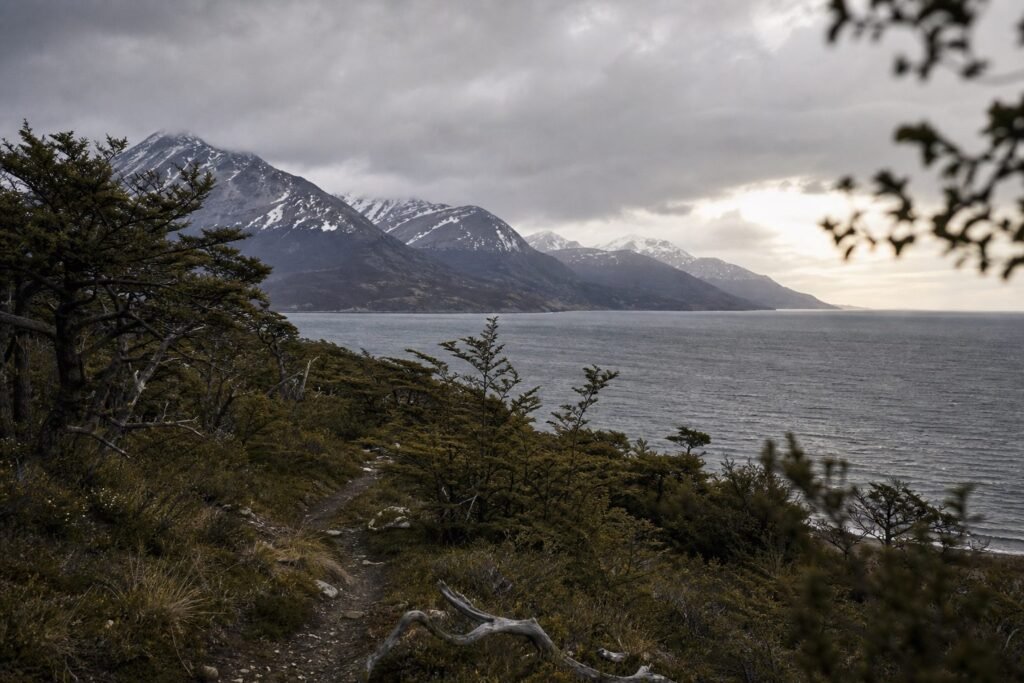
The final chapter changes the mood again: steep mountains behind town, salt water in front and weather moving quickly between them. Ushuaia is more than an “end of the world” sign; it is a compact base for a striking subantarctic landscape.
Travel to Ushuaia
Treat the journey as part of the story, not dead time. Routes vary by date and season, and some require a connection. Once in Ushuaia, walk the waterfront, look back at the mountains pressing toward town and confirm tomorrow’s excursion before the weather changes the plan.
Tierra del Fuego National Park
Tierra del Fuego replaces glacier blue with dark forest, peat, quiet bays and sudden shafts of light. Explore independently, join a guided visit or add the train according to season and mobility—but build the day from current park guidance, not an old timetable.
Beagle Channel or departure buffer
When conditions cooperate, a Beagle Channel navigation puts Ushuaia in perspective: a narrow ribbon of town between cold water and steep mountains. But if your international flight leaves early on Day 14, fly back to Buenos Aires today. One missed excursion is cheaper than one missed flight home.
Departure
End without a final sprint. Allow generous airport time, confirm whether the next flight uses AEP or EZE and remember that separate tickets may leave you unprotected after a disruption. The trip deserves a calm ending as much as a dramatic beginning.
When this route is the wrong choice
Choose Iguazú instead
If the roar of waterfalls, warm air and rainforest matter more than long hikes, replace the far south with Iguazú. Pair it with Buenos Aires and one additional region such as Mendoza or Salta—replace, do not simply add.
Choose Bariloche instead
If you want lakes, scenic drives and flexible, family-friendly walks, choose Bariloche and the Lake District. It delivers Patagonia with easier logistics and a wider range of gentle days.
Choose Mendoza instead
If the table matters as much as the trail, build around Buenos Aires and Mendoza. Add one northern destination and trade some weather risk for vineyards, long lunches and High Andes scenery.
Travel outside the main hiking season
Winter and shoulder seasons rewrite the route: daylight shrinks, trails change and transport can thin out. Build around what is operating now, not around a summer itinerary wearing a different date.
Booking order that reduces risk
A memorable trip still depends on an unglamorous sequence of decisions. Book in the order below and each later choice becomes easier, safer and more flexible.
- Confirm passport, visa and entry requirements for your nationality.
- Book the international flight with at least one safe Buenos Aires buffer.
- Check realistic domestic flight options before paying for hotels.
- Reserve limited-capacity Patagonian activities only after transport is coherent.
- Choose cancellable accommodation where seasonal disruption is plausible.
- Reconfirm park rules, transport schedules and weather shortly before each segment.
Frequently asked questions
Is 14 days enough for Argentina?
Yes—if you accept that Argentina rewards depth more than distance. Buenos Aires plus one coherent regional journey creates a rich two weeks; trying to include every famous region creates an expensive tour of airports.
Can I add Iguazú Falls to this itinerary?
You can, but make an honest trade: replace Ushuaia or El Chaltén. Adding Iguazú without removing anything turns a balanced itinerary into a race.
Do I need a car?
No. Buenos Aires is easier without one, and the Patagonian bases connect through flights, buses and organised transfers. A car can add freedom on selected days, but the route does not depend on it.
What is the biggest planning mistake?
Treating a domestic arrival and an international departure as one protected journey when they are separate tickets—especially if the route also changes between AEP and EZE.
Official sources to check before departure
Compare all 26 destinations, seasons, transport trade-offs and alternative itineraries in the complete Argentina Travel Guide 2026.
Official sources checked
- Argentina Immigration: Tourists
- Los Glaciares National Park
- Tierra del Fuego National Park
- Buenos Aires Official Tourism
Last editorial check: 30 July 2026. Always use the linked authority’s current page as the final reference.