
A realistic three-day route through Lima’s old heart, Pacific cliffs, pre-Hispanic past and a food culture shaped by centuries of migration and exchange.
Lima arrives in layers. At first there is the traffic from the airport, the ocean light filtered through a grey coastal sky, and the suspicion that the capital is merely the room you wait in before Cusco. Then a pre-Hispanic pyramid appears between apartment buildings. A fishmonger slices into the morning catch. Surfers descend the cliffs while families settle on the grass above the Pacific. By dinner, the city has quietly overturned your idea of what the beginning of a Peru trip should look like.
The mistake is trying to see Lima as one compact centre. It is a vast city of distinct districts, and a short line on the map can become an hour in traffic. A good itinerary therefore depends less on collecting landmarks than on arranging them intelligently: one day for the historic core, one for Miraflores and the coast, and one for the market-to-Barranco arc of food, art and everyday life.
This guide is designed for a first-time visitor with three full days. It tells you what to group together, what to skip when time slips, where to stay, how to leave the airport with less friction and where to verify the details that matter. It also leaves space for Lima’s best moments—the ones that happen after you stop checking the next pin on your phone.
Prefer Arabic? Read the verified Arabic Lima travel guide and three-day itinerary.
Is Lima worth visiting?
Yes—especially if you treat it as a destination rather than a compulsory transfer. Peru’s official tourism agency launched its 2026 “Vive Lima” strategy around the idea of three-to-five-day urban stays, bringing together gastronomy, living culture, the coast, design and events. That is a more accurate picture of the city than the old advice to land, sleep and leave.
Lima is not instantly beautiful in the conventional sense. It can be noisy, overcast and exhausting. Its rewards come through contrast: a UNESCO-listed colonial centre built over a much older Indigenous landscape; fishing culture beside ambitious contemporary kitchens; glass towers surrounding an adobe ceremonial complex; and intimate, low-rise Barranco opening onto one of South America’s largest metropolitan areas.
Three days will not reveal every museum, market or district. It is enough, however, to understand the city’s grammar—and to begin a Peru trip with context rather than jet lag.
Lima in one minute: the facts that shape your trip
| Decision | Best practical choice |
|---|---|
| Ideal first stay | Three full days; two days is workable, one day requires hard choices. |
| Best base | Miraflores for convenience; Barranco for character; San Isidro for a quieter business-oriented stay. |
| Airport | Jorge Chávez International Airport (LIM), in Callao, well outside the main visitor districts. |
| Local currency | Peruvian sol (S/). Carry a small amount for markets and minor purchases; use reputable ATMs. |
| Language | Spanish. English is common in many visitor-facing hotels and restaurants, but a few Spanish phrases help. |
| Coastal weather | Warmest and brightest roughly December–April; usually greyer and cooler through May–November. Winter 2026 is an important exception, with SENAMHI forecasting unusually warm coastal conditions linked to Coastal El Niño. |
| Planning rule | Group sights by district. Traffic is a structural part of the itinerary, not an occasional inconvenience. |
| What to book | Timed archaeological visits, priority restaurants and airport transfers for late arrivals. |
The best three-day Lima itinerary for a first visit
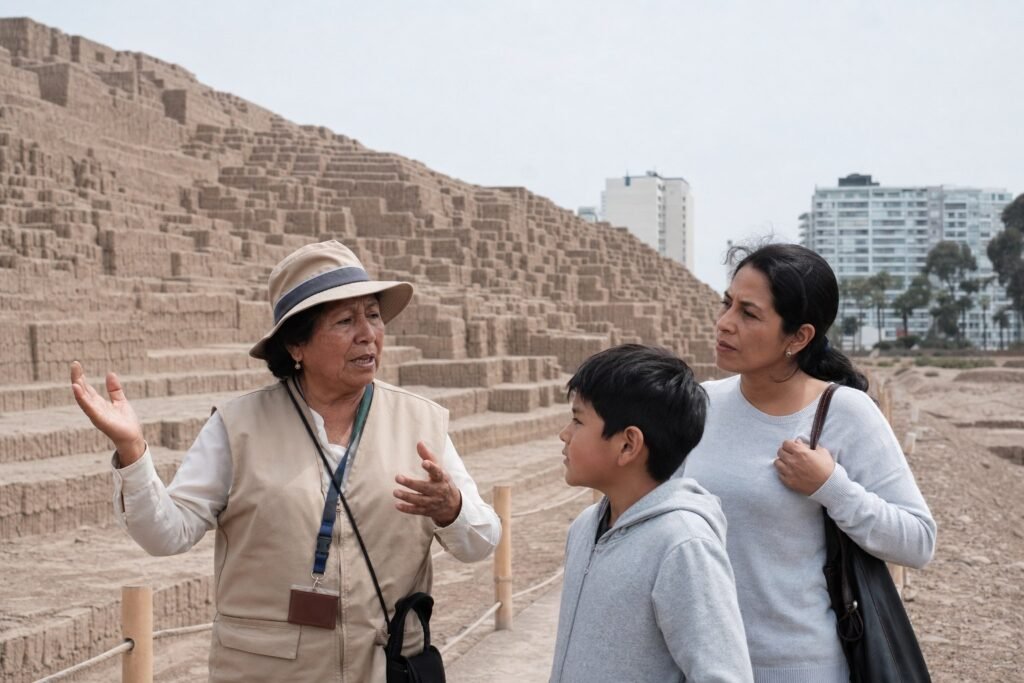
The order below reduces backtracking and gives each day a distinct character. Check museum closure days before assigning dates. If your schedule includes a Tuesday, remember that Huaca Pucllana’s official daytime programme currently runs Wednesday through Monday.
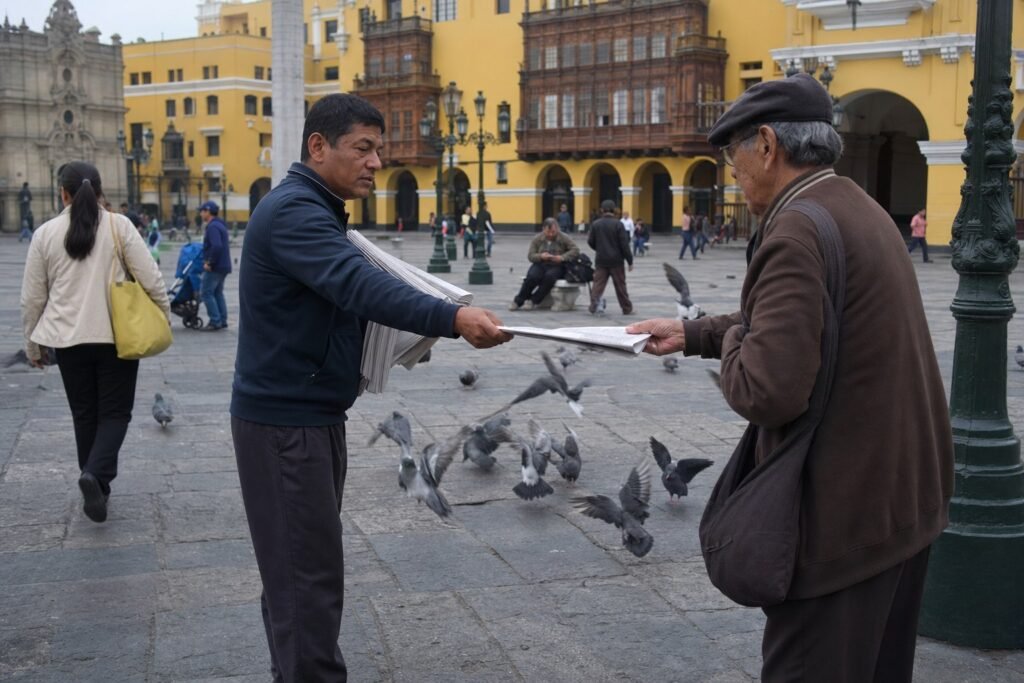
Historic Lima, wooden balconies and Museo Larco
Huaca Pucllana and Miraflores above the Pacific
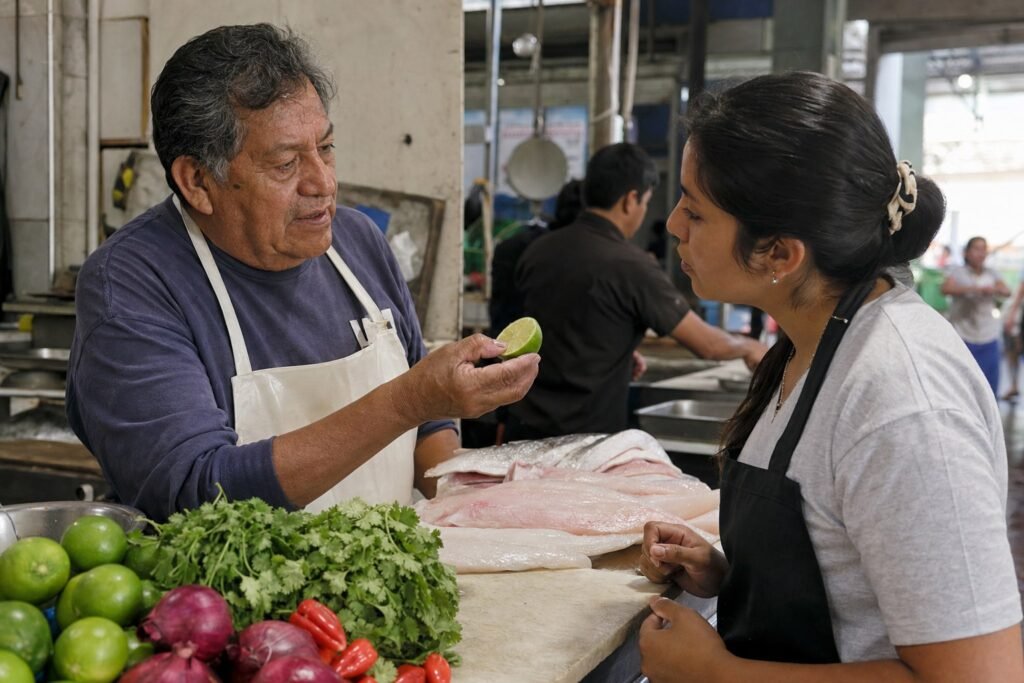
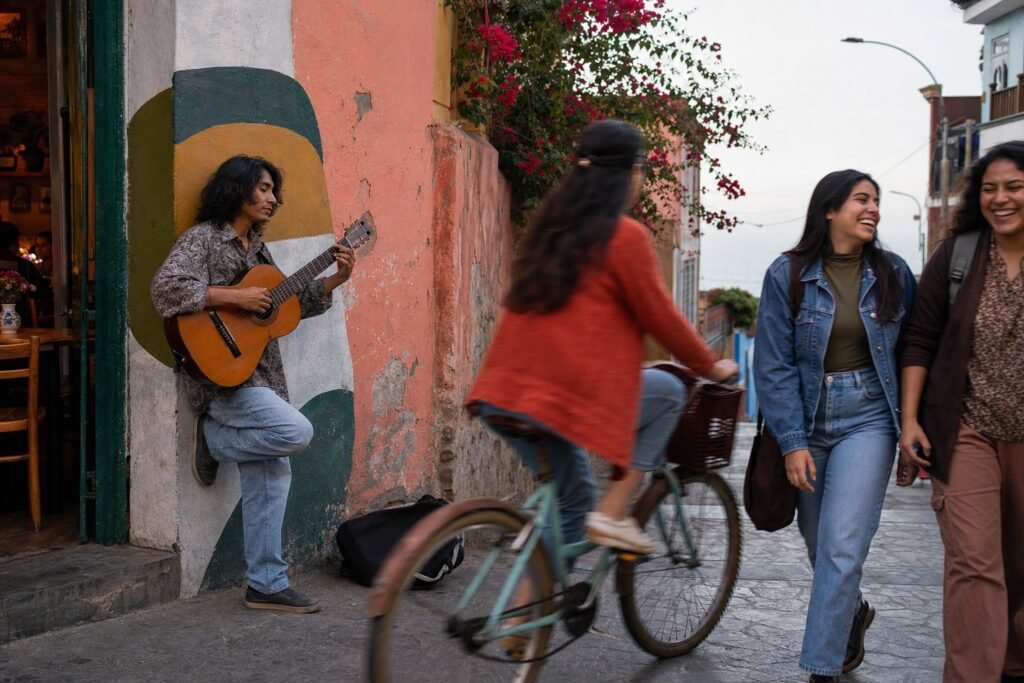
Surquillo market to Barranco after dark
Where to stay in Lima
Miraflores: the easiest first-time base
Miraflores has the widest selection of accommodation, restaurants, coastal parks and visitor services. It is the safest default when you want simple evenings and predictable logistics. The trade-off is that it can feel polished and less intimate, and it is not close to the historic centre or airport.
Barranco: best for atmosphere
Choose Barranco for galleries, cafés, music and a smaller-scale neighbourhood feel. It suits couples, repeat visitors and travellers who enjoy walking out to dinner. Check recent room reviews for street noise; two properties a block apart can offer very different nights.
San Isidro: quieter and business-oriented
San Isidro works well for comfort, business travel and a calmer residential base. It has excellent restaurants and green spaces but less of the immediate visitor energy found along the Miraflores coast or central Barranco.
Should you stay near the airport?
Only when you arrive very late and leave early the next day. The airport is in Callao, not beside Lima’s main visitor districts. Saving on one transfer can cost you the experience of every evening if you use an airport-area hotel for the whole stay.
Lima airport and getting around
The new Jorge Chávez terminal entered full operation on 1 June 2025. It serves both domestic and international flights from a single terminal, but road time between the airport and Miraflores or Barranco remains highly traffic-dependent.
From the airport
- Authorized airport taxi: the simplest option with luggage or after a late arrival. Use the operators and counters identified by the airport; ignore unsolicited offers.
- Pre-arranged hotel transfer: useful when you want a named driver and a fixed meeting plan.
- Airport Express Lima: the official airport page currently lists a Miraflores service stopping at Larcomar, Kennedy Park and Avenida Larco. As checked in August 2026, the published fare is S/20 one way, or S/15 per person when two or more travel together; verify it before arrival.
- AeroDirecto: the official public airport bus network currently connects the terminal with several Lima and Callao zones through South, Centre, Quilca, Ventanilla, North and Terminal North routes. Check the live route map, operating times and payment method before relying on it.
- Ride-hailing: availability and pickup rules can change. Follow the app and airport instructions, match the plate and driver, and never enter a car whose details differ.
For departure, build the route backwards from the airline’s recommended arrival time, then add a meaningful traffic margin. Lima Airport currently recommends reaching the terminal three hours before an international departure and two hours before a domestic flight. A journey that took 40 minutes after midnight tells you very little about the same road on a weekday afternoon.
Within the city
Walking is rewarding inside the historic core, Miraflores and Barranco, but not as a way to connect them all. Use formal transport for cross-district journeys. The Metropolitano and other public systems can be useful for confident city travellers, yet route, card and crowding logistics make a verified taxi or ride more practical for many short first visits.
What to eat in Lima
Lima’s food is not a reward after sightseeing; it is one of the city’s primary ways of telling history. Peru’s official tourism material highlights the Indigenous, African, Spanish and Chinese influences behind the capital’s cuisine, while Nikkei cooking adds a deeply rooted Japanese-Peruvian vocabulary.
| Dish or tradition | What you are tasting |
|---|---|
| Ceviche | Fresh fish cured briefly with lime, chilli and aromatics. Make it a reputable lunchtime meal. |
| Tiradito | Thinly sliced raw fish with a chilli-citrus sauce, showing a different balance from ceviche. |
| Lomo saltado | Beef stir-fried with tomato, onion and soy, usually served with rice and chips—a clear Chinese-Peruvian story. |
| Ají de gallina | Shredded chicken in a creamy, gently spiced sauce built around yellow chilli. |
| Anticuchos | Charcoal-grilled skewers traditionally made with beef heart and tied to Afro-Peruvian culinary history. |
| Chifa | Peruvian-Chinese cooking, from arroz chaufa to wok dishes shaped by generations of migration. |
| Picarones or suspiro a la limeña | Two different sweet endings: squash-and-sweet-potato rings with syrup, or a rich caramel-like custard and meringue dessert. |
You do not need a world-famous tasting menu to eat memorably. Reserve early if a particular restaurant is central to the trip, but leave room for a market lunch, a neighbourhood cevichería and the recommendation that only makes sense once you are standing in the district.
How much do three days in Lima cost?
These are editorial planning ranges per person, per day, excluding international flights. They are not live quotations, and room sharing, exchange rates and high-end dining can move the total sharply.
| Travel style | Planning range | What it usually means |
|---|---|---|
| Smart budget | US$45–75 a day | Hostel or simple room, local meals, walking and public transport, with selected paid sights. |
| Comfortable mid-range | US$90–160 a day | Well-located private room, strategic car rides, good restaurants, museums and one booked experience. |
| High-comfort trip | US$180+ a day | Upscale hotel, private transport and premium dining or guided experiences. |
Current official reference prices illustrate the scale of some attractions: Museo Larco lists general admission at S/50 on site or S/45 online, while Huaca Pucllana lists S/15 for a daytime adult ticket and S/17 for a night visit. Treat those figures as time-stamped examples and confirm them on the official pages.
The best time to visit Lima
December to April generally offers warmer weather, brighter coastal skies and the best chance of a clear sunset. It is also the season when sun protection matters most. May to November is usually cooler, greyer and often wrapped in garúa—the fine coastal mist that rarely behaves like conventional rain but can make the air feel damp.
For winter 2026, do not pack from averages alone. SENAMHI has forecast air temperatures well above normal along the coast because of Coastal El Niño. Lima remains a year-round city break because its strongest experiences—food, museums, historic streets and neighbourhood life—do not depend on blue skies, but a live forecast should decide your layers. Pack comfortable shoes and sunscreen in every season.
Is Lima safe? A practical answer
Lima is a huge city, and risk changes by district, street and time of day. Miraflores, Barranco and San Isidro are common visitor bases, but none is free from phone theft, pickpocketing or transport scams. The useful response is alertness without panic.
Time-sensitive note, checked 2 August 2026: Lima Metropolitana and Callao are under a 60-day state of emergency that began on 28 June and is due to run to approximately 26 August unless extended. Tourist sites are not automatically closed, but security operations, demonstrations or road restrictions can affect plans. Check official government updates and ask your accommodation about conditions that morning.
- Keep your phone away while moving through busy streets; step inside a café or shop when you need to study a map.
- Use formal transport, confirm the plate and driver, and reject any unexplained change of vehicle.
- Carry only the cash and cards needed for the day; store passport copies separately.
- Ask your accommodation for same-day guidance on specific streets after dark.
- Visit a named Callao attraction with a clear route, current local advice or an organised experience rather than wandering the district without a plan.
- Download or note the official Tourist Protection Network contacts before the trip, not after something happens.
Visa, passport and onward travel
Peru’s entry requirements depend on nationality, passport and purpose of travel. Do not copy the experience of a traveller with a different passport. Start with the Visa Advisor eligibility checker, then verify the result through Peru’s Ministry of Foreign Affairs and the nearest Peruvian consulate.
Peru’s migration authority currently tells tourists to travel with a passport valid for at least six months and to verify whether a visa is required before departure. Travellers who do need a tourist visa apply through a Peruvian consular office; the official process page says to begin at least 15 calendar days before the trip, but real appointment and processing time can require a larger margin.
If Lima begins a wider Peru journey, avoid booking an immediate high-effort day in Cusco after a late international arrival. Lima sits near sea level; Cusco is above 3,300 metres. A calm first day at altitude is not lost time. For the wider route, use our first-time Peru travel guide and the Visa Advisor itinerary builder.
Seven mistakes that make Lima harder than it needs to be
- Treating the city as an airport stop. One hurried evening reinforces the least interesting version of Lima.
- Choosing a cheap hotel far from your priorities. The saving often returns as traffic, ride costs and lost energy.
- Crossing the city repeatedly. Build district days, not a list ordered by online popularity.
- Scheduling ceviche after a heavy sightseeing day. Make seafood a deliberate lunch, not an exhausted late-night compromise.
- Assuming the coast will be sunny. Grey is a season and a mood here, not proof that the day failed.
- Holding a phone openly in traffic or crowds. Navigate in a protected spot, then move with purpose.
- Leaving no airport margin. Lima traffic can erase the confidence created by a short distance on a screen.
Frequently asked questions about three days in Lima
Are three days in Lima enough?
Yes. Three days cover the historic centre, Miraflores, Barranco, one major archaeological or museum experience and several thoughtful meals without turning the trip into constant transit. Four or five days allow Pachacámac, deeper museums or a more ambitious food itinerary.
Is Lima worth visiting before Cusco?
Absolutely. Lima introduces Peru’s coastal history, migration and food culture—stories that Cusco cannot tell on its own. It also gives you a lower-altitude start before travelling to the Andes.
Can I walk between Lima’s main districts?
Walk within Miraflores, Barranco and the historic centre, but use transport between zones. Miraflores and Barranco can connect through a long coastal walk for fit travellers with time; the historic centre and airport require a vehicle or public transport plan.
Should I stay in Miraflores or Barranco?
Choose Miraflores for the easiest first visit, broad hotel choice and coastal parks. Choose Barranco for evenings, art and a more intimate neighbourhood atmosphere. San Isidro is a strong alternative for quiet comfort or business travel.
What is the best month to visit Lima?
January through March offers the warmest, brightest coastal weather. April and December can be good shoulder months. From May to November, expect cooler temperatures and more cloud, but food, museums and city walks remain rewarding.
Is a long airport layover enough to see Lima?
Only with a generous buffer. Immigration, luggage, traffic and return formalities can consume several hours. For a short layover, stay at the airport. With roughly 10–12 usable daytime hours, choose one compact area such as Miraflores and one meal rather than attempting the full itinerary.
Do I need restaurant reservations?
Reserve any world-famous tasting menu or personally essential restaurant well ahead. For most meals, flexibility is an advantage: choose reputable places close to that day’s route and leave room for local recommendations.
Official sources and final checks
Last reviewed on 2 August 2026. Open these pages again for your travel dates.
- PROMPERÚ — Vive Lima urban tourism strategy (11 July 2026)
- Peru Travel — Official guide to Lima’s cuisine
- Peru Travel — Official Lima markets and city highlights
- UNESCO — Historic Centre of Lima
- Jorge Chávez International Airport — Authorized transport, buses and parking
- Jorge Chávez International Airport — Official bus services and current fares
- ATU — Current AeroDirecto airport route network (11 June 2026)
- Museo Larco — Hours, admission and visitor information
- Peru Ministry of Culture — Huaca Pucllana hours and admission
- MINCETUR — Tourist Protection Network
- PROMPERÚ — IPERÚ tourist assistance at the new airport
- Peruvian National Police — Official emergency numbers
- Presidency of Peru — Current Lima and Callao state-of-emergency notice
- Peru Migration Authority — Essential information for tourists
- Peru Ministry of Foreign Affairs — Tourist visa process
- SENAMHI — Winter 2026 coastal temperature outlook