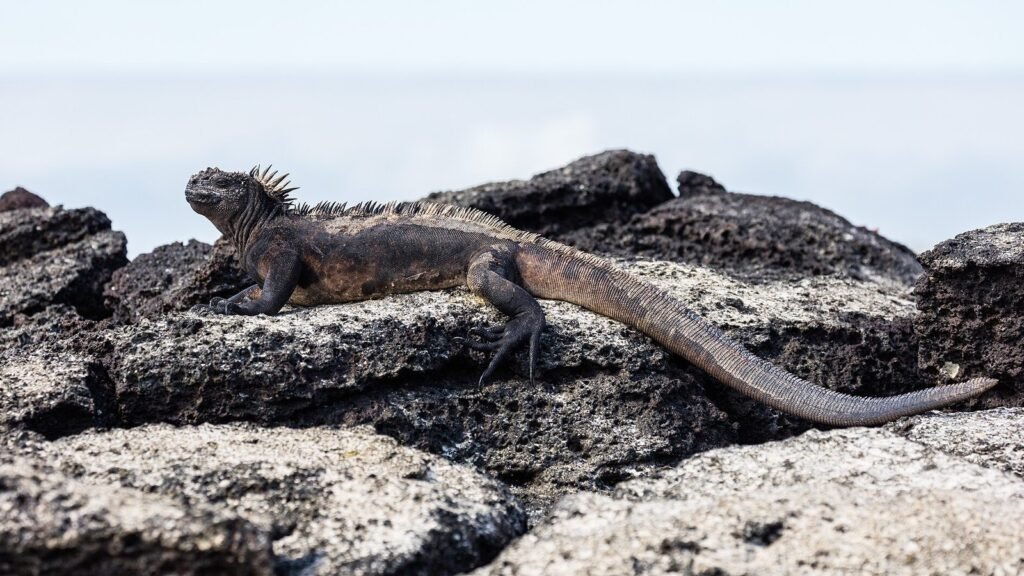
Last reviewed: August 2, 2026. A first Galapagos trip is easier to plan when you separate three decisions: entry formalities, island route and wildlife priorities. The archipelago is not a single resort destination. Flights arrive on different islands, protected visitor sites use controlled access, and changing bases consumes more time than the map suggests.
This guide explains the current fees and Transit Control Card, compares a cruise with a land-based stay and gives a realistic seven-day route.
Galapagos entry requirements and fees
Travelers first enter Ecuador under the rules that apply to their nationality, then complete the Galapagos-specific process. The Governing Council’s online TCT guidance lets visitors pre-register trip information before departure. The Transit Control Card remains part of migration control for the islands.
As reviewed on August 2, 2026, the official TCT FAQ lists a US$20 card fee and a maximum tourist stay of 60 days in a year. The official park-fee page lists these main rates:
- International visitors over 12: US$200.
- International visitors under 12: US$100.
- Non-resident visitors from CAN or Mercosur countries over 12: US$100.
- Non-resident visitors from CAN or Mercosur countries under 12: US$50.
Resident, Ecuadorian and other categories have different rates. Check the official Galapagos National Park fee table shortly before travel. Fees, payment methods and documentary proof can change; your category must be supported at the point of entry.
Expect to show a valid travel document, return or onward arrangements and trip details required by the current system. Do not rely on a tour-company summary when the government page is available.
Choose the airport before the hotel
Baltra serves Santa Cruz after an airport-bus, channel crossing and road transfer. San Cristobal airport is close to Puerto Baquerizo Moreno. Flights labeled for the Galapagos are not interchangeable, so confirm the airport code and the first night’s island before booking.
International travelers normally connect through mainland Ecuador. Place a buffer in Quito or Guayaquil if separate tickets or late international arrival make the domestic connection fragile.
Cruise or land-based Galapagos trip?
Choose a cruise for remote access and efficient wildlife days
A licensed expedition vessel can move between visitor sites while guests sleep and reach places that are impractical from town. The trade-offs are cost, fixed schedules, cabin life and limited control over seasickness. Compare route letters only after reading the actual landing sites and daily activities.
Choose a land stay for flexibility and town life
A land-based trip lets you choose hotels, restaurants and selected day tours. It can be less expensive, but the savings shrink when you add inter-island transport and several premium excursions. You will revisit the same port and spend more waking time in transit.
Consider a hybrid
A short cruise followed by two or three nights on one island can combine remote sites with independent time. Check baggage and transfer details carefully; a hybrid creates another fixed connection.
A seven-day land-based Galapagos itinerary
Day 1: Mainland buffer and document check
Stay in Quito or Guayaquil before the island flight when your international schedule requires it. Complete the current TCT pre-registration, confirm baggage rules and keep required payments accessible.
Day 2: Fly to Baltra and settle on Santa Cruz
Travel to Puerto Ayora and keep the afternoon light. Visit the waterfront or a nearby public site after checking hours and trail conditions. The airport transfer has several stages, so do not attach a tightly timed boat tour to arrival.
Day 3: Santa Cruz highlands
Use a licensed guide or arranged taxi route to visit highland habitat and giant tortoise areas that operate under current visitor rules. Ask whether entrance fees, boots and transport are included. Maintain wildlife distance even when an animal approaches the path.
Day 4: One full-day navigable-site excursion
Select the trip by wildlife, activity and sea time, not by whichever island name appears most often online. Confirm whether snorkeling is optional, what equipment is included and whether the vessel fits your mobility and seasickness needs.
Day 5: Transfer to San Cristobal
Inter-island speedboats can be rough. Pack electronics in a dry bag, keep medication accessible and arrive for the required check-in. An inter-island flight may save discomfort but has strict baggage limits and its own weather exposure.
Day 6: San Cristobal wildlife day
Choose one guided marine excursion or a combination of accessible town-side sites. Sea lions are visible around inhabited areas, but they remain wild. Keep distance, never touch pups and move away if an animal blocks a path.
Day 7: Departure or one final night
Fly from San Cristobal to the mainland if your ticket allows an open-jaw island route. Do not connect directly to a separate long-haul departure with a narrow margin. A mainland night protects the more expensive international journey.
Wildlife rules are part of the experience
- Follow the naturalist guide and marked paths.
- Keep the required distance and never reposition an animal for a photograph.
- Do not feed wildlife or remove shells, rocks, plants or sand.
- Use reef-safe practices and never stand on coral.
- Clean footwear and equipment as instructed to reduce movement of invasive species.
The Galapagos is extraordinary partly because access is managed. Treating rules as obstacles undermines the place you traveled to see.
When should you go?
Wildlife is present year-round, while water temperature, visibility, rain and sea conditions vary. Warmer, wetter periods and cooler, nutrient-rich periods offer different experiences rather than a single best season. Match the month to your priority species and tolerance for rough water.
If snorkeling is central, ask operators about current conditions and wetsuit provision. If photography is central, build flexibility rather than expecting one specific behavior on one specific day.
Build the complete budget
Include mainland flights, TCT, park fee, airport transfers, inter-island transport, guided excursions, equipment and the final mainland buffer night. A low hotel rate does not make the trip cheap if every meaningful day requires a separate boat.
Pay only through traceable channels and verify what is refundable when weather prevents an excursion. Travel insurance should match the activities and evacuation realities of remote islands.
What to pack
Bring strong sun protection, a refillable bottle, light rain layer, secure sandals or water shoes where appropriate, motion-sickness treatment advised for you, and a dry bag. Avoid bringing seeds, fresh food or contaminated outdoor gear. Check current biosecurity instructions before packing.
For mainland planning and Ecuador entry context, see our Ecuador travel guide.
Frequently asked questions
How much is the Galapagos entry fee?
As reviewed on August 2, 2026, the official rate for international visitors over 12 is US$200, with different rates for children and eligible regional or resident categories. Recheck before travel.
Is the TCT the same as the park fee?
No. The Transit Control Card and Galapagos National Park entrance fee are separate requirements with separate charges.
Can I visit the Galapagos without a cruise?
Yes. Santa Cruz, San Cristobal, Isabela and Floreana support different land-based routes, with guided boats required for many protected visitor sites.
Are seven days enough?
Seven days can work for two island bases or a focused cruise. Count flight and transfer days honestly; a seven-night trip is substantially better than seven calendar days from home.
Official planning links
- Official TCT online steps
- Official TCT questions and answers
- Official Galapagos park entrance fees
- Official Ecuador tourism: Galapagos
Featured image: marine iguanas on Santa Cruz by Diego Delso via Wikimedia Commons, CC BY-SA 4.0.