Last reviewed: August 2, 2026. Ten days in Peru is enough for Lima, Cusco, the Sacred Valley and Machu Picchu, but only if the route respects altitude and treats the Machu Picchu ticket as the trip’s anchor. The itinerary below puts the Sacred Valley before central Cusco, limits one-night stops and leaves room for delayed flights or rail changes.
This is not a checklist for every famous place in Peru. It is a first-trip plan designed to keep the country’s best-known journey enjoyable.
Three decisions to make before booking
First, secure the right Machu Picchu date and circuit. Entry is sold for a date, time and circuit rather than as an unrestricted pass. Peru’s Ministry of Culture directs travelers to the official TuBoleto purchase process. Read the route description before paying; the circuit controls which parts of the site you can access.
Second, decide whether you will enter through Aguas Calientes or hike. The classic Inca Trail and other trekking routes require different logistics from the rail journey. Do not buy flights around a trek until the authorized operator confirms permits and dates.
Third, choose the international flight pattern. A round trip through Lima is often simplest. An open-jaw ticket can help on a longer South America trip, but it does not remove the need for a buffer before the flight home.
A realistic 10-day Peru itinerary
Day 1: Arrive in Lima
Use the first day for arrival, a short walk and an early night. Miraflores and Barranco are common first-time bases because they combine accommodation, food and a manageable introduction to the city. Airport traffic can be slow, so arrange transport with your hotel or use an authorized service at the terminal.
Day 2: Lima beyond the airport
Give Lima a complete day. Visit the historic center with a sensible daytime plan, then choose one museum, market or coastal neighborhood rather than crossing the city repeatedly. Reserve a restaurant only if the arrival day went smoothly. Lima’s food culture deserves attention, but a tightly scheduled tasting menu after a long flight can become another deadline.
Day 3: Fly to Cusco and continue lower
Fly to Cusco in the morning, then transfer to the Sacred Valley. Pisac, Urubamba and Ollantaytambo sit lower than Cusco and make a gentler first night at elevation. Eat lightly, hydrate normally and avoid using a packed sightseeing program as a test of fitness.
Altitude illness can affect fit travelers. A slow first 24 hours helps, but it is not a guarantee. Seek medical advice before travel if you have relevant health conditions, and get help for severe headache, confusion, breathlessness at rest or worsening symptoms.
Day 4: Sacred Valley
Choose two nearby experiences rather than trying to cover every archaeological site. Pisac pairs well with its surrounding valley; Maras and Moray can work together; Ollantaytambo rewards an unhurried afternoon and overnight. Confirm what each tour price includes, especially entrance tickets and the exact pickup point.
Day 5: Ollantaytambo and train to Aguas Calientes
Keep the morning flexible, then take the train toward Machu Picchu Pueblo, commonly called Aguas Calientes. Check the station printed on the ticket: services can depart from different points, and some products combine bus and rail segments. Pack a small overnight bag if the rail company limits larger luggage.
Day 6: Machu Picchu
Arrive for the time printed on your ticket with your passport and any required supporting document. Follow the assigned circuit and current site rules. Weather can change the view without reducing the site’s value; rushing between photo positions usually makes the visit worse.
Return to Ollantaytambo or Cusco after the visit. A second night in Aguas Calientes is useful only if it serves a specific second ticket, hike or recovery plan.
Day 7: Return to Cusco
Use this as a transition day. If you travel from Ollantaytambo, stop only if luggage and timing are secure. In Cusco, explore around the Plaza de Armas and San Blas at a pace that accounts for steep streets. This is a better evening for a quiet meal than a late excursion.
Day 8: Cusco history and culture
Pair the historic center with one focused visit such as Qorikancha, a museum or nearby archaeological sites. A qualified guide can connect Inca and colonial layers that are easy to miss. Ask whether the tour uses the multi-site tourist ticket and whether you need to buy it separately.
Day 9: Buffer day, day trip or extra Cusco time
This day protects the itinerary. If every connection has worked and you feel well, use it for a nearby day trip. Do not force Rainbow Mountain into the plan simply because it is famous: the early start and very high altitude make it a poor default choice for some travelers. A cooking class, market visit or slower valley outing can add more than another exhausting transfer.
Day 10: Fly to Lima and connect carefully
The safest arrangement is to return to Lima before the day of a separate long-haul ticket. If you connect on the same day, use a through ticket where possible and leave a generous margin. Mountain weather and operational changes can disrupt domestic flights.
Peru entry and document checks
Visa rules depend on nationality, passport type and trip purpose. Peru’s government explains the tourist visa process for travelers who require one. Verify your own case with a Peruvian consulate before buying non-refundable arrangements.
Carry the passport used for reservations. Keep offline copies of major tickets, insurance details and accommodation addresses. An entry permission is not permission to work, and the final authorized stay is determined by immigration.
Where the budget really goes
The largest variables are the Machu Picchu route, rail category, private transfers and Lima-to-Cusco flights. Save by choosing a well-timed standard train and a simple Sacred Valley base, not by buying unofficial attraction tickets. In Cusco and Lima, location can reduce daily taxi time enough to justify a slightly higher room price.
Keep a payment backup. Cards are common in established businesses, but small purchases, markets and remote stops may require cash. Use bank or clearly identified ATMs and avoid carrying the full trip budget.
What to pack for coast and altitude
- Layers for cool mornings, strong sun and rapidly changing mountain weather.
- A light waterproof shell and shoes with reliable grip.
- Sun protection, refillable water bottle and any personal medication.
- A compact day bag that meets rail and site restrictions.
- Offline copies of tickets and the passport used to book them.
Mistakes that make ten days feel rushed
Avoid adding Lake Titicaca or the Amazon without adding days. Avoid landing in Cusco and scheduling a strenuous hike that afternoon. Most importantly, do not build the entire trip around a screenshot from a reseller; confirm Machu Picchu inventory through the official system before committing to the surrounding dates.
For wider country context, read our Peru travel guide. Travelers combining countries can also compare the routes in our three-week South America itinerary.
Frequently asked questions
Is ten days enough for Peru?
Yes for Lima, the Sacred Valley, Machu Picchu and Cusco. It is not enough for those places plus the Amazon, Lake Titicaca and southern Peru without sacrificing depth.
Should I stay in Cusco or the Sacred Valley first?
The Sacred Valley is lower and often works better immediately after the flight. Stay in Cusco after Machu Picchu for the city’s history, food and nearby sites.
How early should I buy Machu Picchu tickets?
As soon as your dates are firm, especially for popular periods and circuits. Availability changes, so check the official platform rather than relying on a fixed number of months.
Can I visit Machu Picchu as a day trip from Lima?
No sensible itinerary does that. Lima, Cusco, the rail gateway and the site are separate stages. Allow several days and acclimatization time.
Official planning links
- Peru Ministry of Culture: buy Machu Picchu tickets
- Peru government tourist visa guidance
- Official Peru tourism inspiration
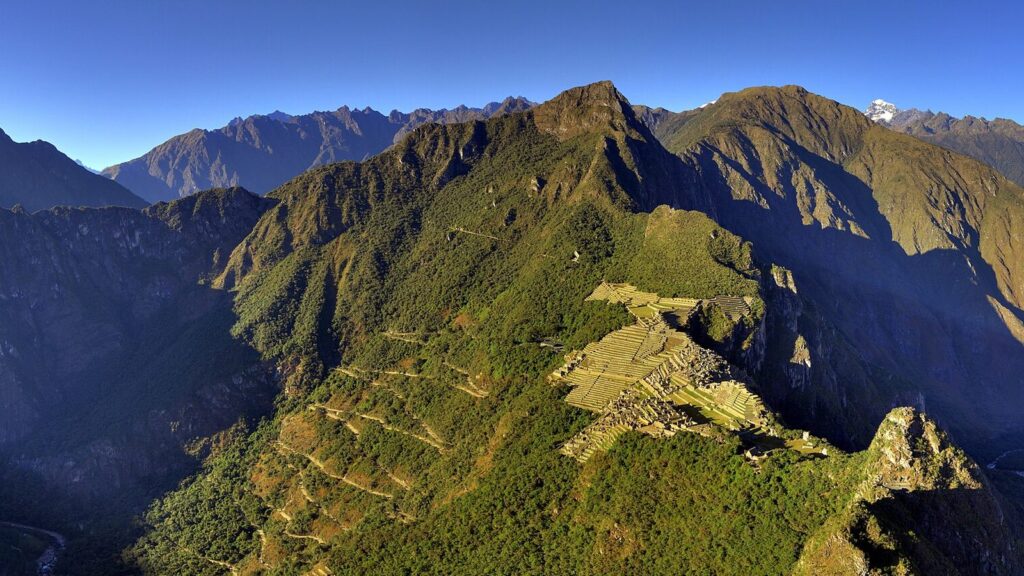
Featured image: Machu Picchu by Martin St-Amant via Wikimedia Commons, CC BY-SA 3.0.