Last reviewed: August 2, 2026. Ticket procedures and 2026 capacity rules were checked against Peru’s Ministry of Culture and official Machu Picchu platforms. Route names, availability and operating periods can change; verify the live ticket portal before paying for transport.
Buying a Machu Picchu ticket is now a route decision, not just an entry decision. Your ticket controls where you walk, which classic views are available and whether a mountain or seasonal section is included. That makes the correct order simple: understand the circuit, secure the ticket, then arrange the train and hotel around it.
This guide explains that order without pretending one circuit is best for everyone.
The booking sequence that prevents most mistakes
- Choose the date and time you can realistically reach the entrance.
- Compare the official circuit and route descriptions.
- Buy through Peru’s official cultural ticket platform.
- Confirm the passenger name and identity document immediately.
- Only then book trains, buses, guides and non-refundable hotels.
If the route you want is unavailable, decide whether the date or the view matters more. Do not purchase a different route based only on the phrase “Machu Picchu entry” and discover the difference at the gate.
How the circuit system works
The official system groups visits into three broad circuit families, with individual route variants inside them. In practical terms, they serve different priorities:
| Priority | Route style to examine | Important trade-off |
|---|---|---|
| Elevated panorama | Upper or panoramic route variants | May provide less access to lower urban sectors |
| Classic citadel experience | Routes through or beside the central archaeological area | Exact viewpoints and internal streets differ |
| Mountain or extended walk | Route bundled with a named hike | More time, physical effort and weather exposure |
Read the official map for the exact ticket shown in the booking system. Similar names do not mean identical paths. Seasonal routes may appear only for part of the year, and operational changes can affect access.
Which Machu Picchu route should a first-time visitor choose?
Start with the experience you would regret missing. If the elevated postcard composition is essential, prioritise a route that explicitly includes that viewpoint. If moving through architectural spaces matters more, examine the central citadel options. If the trip is built around a hike, confirm that the named mountain access is part of the ticket rather than an optional add-on.
Mobility, vertigo, steps and one-way movement also matter. Official maps are more useful than a social-media photograph because a photograph rarely reveals the full route used to reach it.
Where to buy official tickets
Peru’s Ministry of Culture directs online buyers to the state cultural ticket platform, Tu Boleto Cultura. Follow the link from an official government page when possible and check the domain before entering passport or payment details.
The booking record should match the identity document you will carry. Review spelling, document number, date, route and entry time before closing the confirmation screen. Keep an offline copy as well as the email.
What changed for capacity in 2026?
A Peruvian Ministry of Culture resolution sets a maximum capacity of 5,600 visitors on listed high-demand dates in 2026. That number does not mean every route or time slot remains available, and it should not be used to postpone booking. Capacity is distributed across routes and operating conditions.
For ordinary planning, the live portal is the source that matters: it shows the route, date and slot you can actually purchase.
Can you buy a ticket in Machu Picchu Pueblo?
Official guidance describes an in-person allocation in Machu Picchu Pueblo for entry on the following day. The process involves registering, receiving a time to return and completing the purchase in person, subject to availability and current procedure.
This can help flexible travellers already in Peru. It is a poor foundation for a tightly booked international holiday because trains, accommodation and the preferred circuit may already be committed. Treat it as a fallback, not a guaranteed shortcut.
Choose the entry time around the whole journey
The ticket time is only one part of the day. You may also need a train to Machu Picchu Pueblo, a bus or walk to the entrance, security checks and a guide meeting point. Allow for queues and do not assume the first train supports the first entry slot.
Staying in Machu Picchu Pueblo the previous night gives the widest morning choices. Staying in Ollantaytambo can be calmer than beginning in Cusco, but it still requires an early train and careful coordination. A same-day Cusco return after a later entry can become exhausting.
Train, baggage and bus details
Compare train departure station, arrival time, baggage allowance and final transport back to your hotel. “Cusco” can refer to different station arrangements, including road-and-rail combinations. Read the itinerary supplied by the operator rather than relying on the product title.
Most travellers use the bus between Machu Picchu Pueblo and the entrance. Walking is possible for suitable visitors, but it adds sustained climbing and should not be treated as a minor warm-up before a mountain route.
Do you need a guide?
A knowledgeable guide adds historical, architectural and environmental context, and can help you understand the one-way route. Confirm the meeting point, language, group size and whether the guide is authorised. A guide cannot move you onto a circuit your ticket does not include.
What to carry
- The original identity document used for booking.
- An offline ticket copy and reservation details.
- Water in an allowed container, sun protection and rain protection.
- Footwear with grip for wet stone and uneven steps.
- Only the baggage permitted by current site and transport rules.
Check the official prohibited-items guidance before travel. Drones, large equipment and behaviour that blocks one-way movement can create problems even when the object seems harmless elsewhere.
Altitude and pacing
Machu Picchu is lower than Cusco, but most itineraries involve altitude before or after the visit. Spending time in the Sacred Valley can make the sequence easier. Do not combine a hard mountain route with the first day after flying from sea level without considering acclimatisation.
Common ticket mistakes
- Buying the train before checking site availability.
- Assuming every route includes the same classic photograph.
- Entering a nickname or different passport number.
- Choosing an early slot that the train cannot reach safely.
- Depending on next-day in-person tickets during a fixed short trip.
- Following an old circuit diagram instead of the official current map.
Frequently asked questions
How far in advance should I buy Machu Picchu tickets?
As soon as the official portal releases your dates and your Peru plan is firm, especially for popular periods or a specific route. Availability differs by circuit and slot.
Can I change circuits after entering?
Do not assume so. Entry is controlled by the route on the ticket and movement is generally structured. Ask official staff about any exceptional operational change.
Is a mountain ticket necessary for the classic experience?
No. Mountain routes are separate priorities with extra physical demands. Choose one only if the hike itself is important and suitable for you.
Can I visit Machu Picchu as a day trip from Lima?
No. You must first reach the Cusco region and then coordinate ground transport, rail and timed site entry.
Continue planning Peru
Build the surrounding route with our 10-day Peru itinerary and first-time Peru guide. If you begin on the coast, use the three-day Lima itinerary.
Official planning links
- Peru government: buying Machu Picchu tickets online
- Tu Boleto Cultura official ticket platform
- Machu Picchu official circuits and routes
- Official in-person ticket procedure
- Ministry of Culture: 2026 capacity resolution
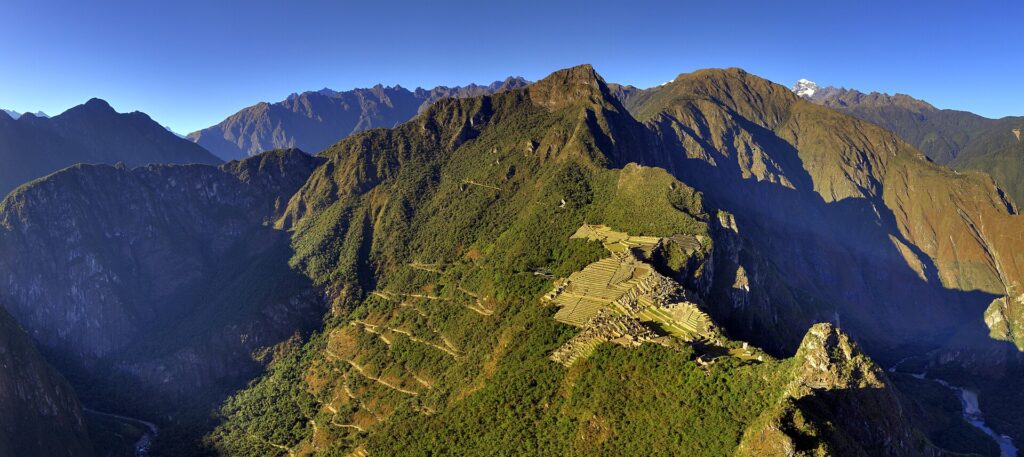
Featured image: Machu Picchu by Martin St-Amant via Wikimedia Commons, CC BY-SA 3.0.