Editorial review: August 2, 2026. Entry details were checked against Panama’s National Migration Service, and heritage information against Panama’s tourism authority and UNESCO.
Panama is often reduced to its canal or used as an air connection. Both miss the point. A first trip can combine the layered streets of Panama City, tropical forest within sight of the skyline, cool highlands around Boquete, and Caribbean islands where the pace and logistics change completely.
The challenge is selection. Panama is narrow, but crossing it repeatedly consumes time. This guide helps you choose one coherent route, understand the current visitor requirements, and avoid treating Bocas del Toro, the San Blas islands and the Pacific coast as interchangeable beach add-ons.
Prefer Arabic? Read our Panama travel guide in Arabic.
Panama at a glance
- Capital: Panama City
- Language: Spanish; English is common in parts of the tourism sector but not universal.
- Currency: The balboa is at parity with the U.S. dollar, and U.S. notes circulate.
- Best first-trip length: 8 to 12 days
- Core route: Panama City plus either the western highlands and Bocas del Toro, or one Pacific/Caribbean extension
Entry requirements for Panama
Whether you need a visa depends on nationality, passport and sometimes existing visas or residence permits that meet specific conditions. Panama’s migration authority lists the general visitor requirements as a valid passport or travel document, a visa where required, proof of financial means, and a return or onward ticket.
The authority’s current FAQ says a passport should have at least three months of validity and that visitors may be asked to demonstrate at least B/.500 in funds or an equivalent form of proof. Those are official general requirements, not a promise of admission. Your airline and the immigration officer can ask for supporting documents appropriate to the trip.
Before departure:
- Check the National Migration Service tourist page.
- If your passport requires a visa, confirm the exact process with a Panamanian consulate.
- Carry the onward booking, first accommodation address and accessible evidence of funds.
- Confirm any health requirement linked to the countries you recently visited, not only your nationality.
Do not assume a long airport connection permits entry into Panama. Transit rules, sterile-airport procedures and permission to pass immigration are separate questions.
What makes Panama worth visiting?
Panama’s geography shaped world trade long before the modern canal. The isthmus connected oceans, empires, railways and migration routes, leaving a history that runs through Panama Viejo, Casco Antiguo, Portobelo and the canal zone. In 2025 UNESCO inscribed the Colonial Transisthmian Route of Panama as a World Heritage property, bringing several pieces of that story into one connected framework.
Nature is just as close. The canal watershed protects rainforest where monkeys, sloths, toucans and tropical plants live near the metropolitan area. Farther west, elevation cools the air around Boquete and Volcan. On the Caribbean side, Bocas del Toro combines town life, mangroves, beaches and marine excursions; Guna Yala is an Indigenous territory with a different cultural and visitor system.
Best places to visit in Panama
Panama City
Allow three days. One belongs to Casco Antiguo, where churches, plazas, museums, residences and restoration projects sit close together. Walk in the morning, return around sunset, and look beyond rooftop venues: the district makes more sense when connected to the city’s broader history.
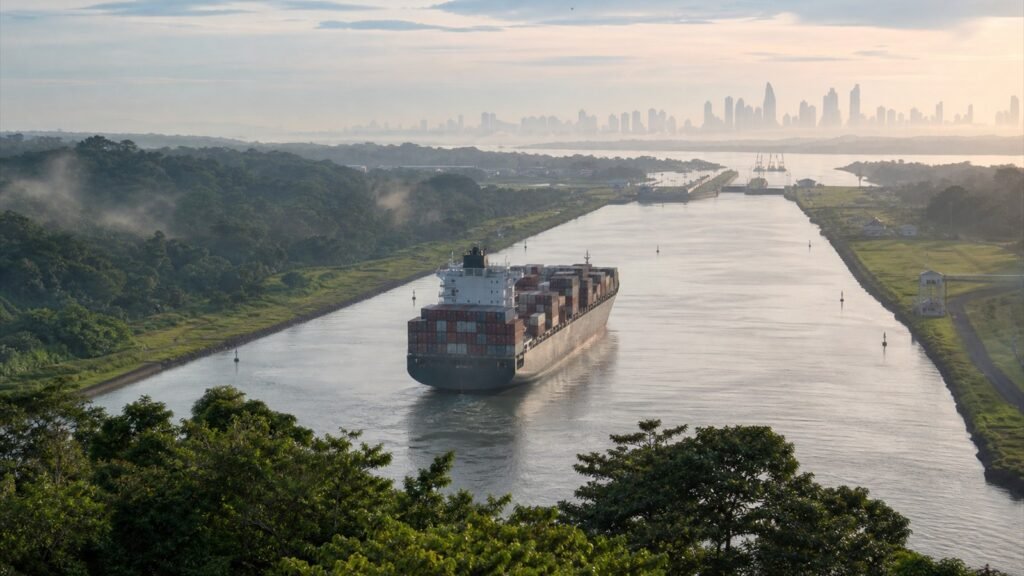
Spend another day on the canal. The Miraflores area is the best-known visitor experience, but ship movement varies. Check the current schedule or visitor guidance so you do not arrive expecting a lock transit at a quiet time. Pair the canal with the Amador Causeway or Biomuseo rather than racing across the city.
Use the third day for Panama Viejo, the Metropolitan Natural Park, or a rainforest excursion toward the canal watershed. The capital’s metro is clean and useful on its limited network; ride-hailing fills many gaps.
Portobelo and the Caribbean forts
Portobelo was a strategic colonial port and forms part of the transisthmian heritage story. Its forts, customs-house history and Afro-Panamanian culture deserve context. A guide can connect structures that otherwise appear as isolated ruins. Road and site conditions should be checked before a day trip, especially in wet weather.
Boquete and Chiriqui
Boquete is known for mountain scenery, coffee farms, hiking and a cooler climate. It is also one of Panama’s most established expatriate towns, which makes services easy but can soften the sense of place in the most visitor-focused streets.
Choose activities by weather and fitness. Cloud forest trails can be wet and visibility on higher routes is never guaranteed. A responsible coffee visit should explain cultivation, processing and labor rather than functioning only as a tasting room.
Bocas del Toro
Bocas Town on Isla Colon is the transport and nightlife hub. Water taxis connect islands and beaches, but sea conditions, daylight and luggage matter. Build at least three nights into the region so one wet or windy day does not erase the reason you traveled there.
Choose accommodation by the experience you want. Staying in town is convenient for restaurants and boats; staying on another island can be quieter but makes every meal or transfer more deliberate. Confirm the last reliable boat time before booking a late arrival.
Guna Yala
The San Blas islands are part of Guna Yala, an autonomous Indigenous territory, not a generic all-inclusive beach district. Access, fees, accommodation and community rules differ from mainland Panama. Select a Guna-connected operator, ask who owns the lodging, clarify shared facilities, and arrive prepared for simple infrastructure.
Guna Yala can replace Bocas in a short itinerary; combining both usually creates too many transfers.
Pacific alternatives
El Valle de Anton offers crater-valley scenery and a manageable break from the capital. The Azuero Peninsula adds traditions, dry-season landscapes and Pacific beaches. Santa Catalina is the base for surfing and trips toward Coiba, but the overland journey is long. These are excellent choices when you prefer the Pacific to the city-Boquete-Bocas circuit.
A realistic 10-day Panama itinerary
- Day 1: Arrive in Panama City and keep the evening close to your hotel.
- Day 2: Explore Casco Antiguo and the waterfront.
- Day 3: Visit the canal and Amador area.
- Day 4: Choose Panama Viejo, rainforest or Portobelo; sleep in the capital.
- Day 5: Fly or travel overland toward David and continue to Boquete.
- Day 6: Take a coffee or cloud-forest excursion.
- Day 7: Travel to Bocas del Toro, allowing time for the final boat connection.
- Day 8: Take one well-chosen island or marine excursion.
- Day 9: Keep a flexible beach, culture or weather-buffer day.
- Day 10: Return for your onward journey, or add a final Panama City night before an international flight.
With eight days, choose Boquete or Bocas. With twelve, slow the route rather than adding another coast. A night in Panama City before a morning international flight is usually worth more than one last rushed island sunset.
Transport: flights, buses and boats
Panama City has two airports commonly used by travelers, and they are not adjacent. Verify the airport code before arranging a connection. Domestic flights save time to David or Bocas, but baggage rules and weather disruption need to be built into the plan.
Intercity buses are useful and affordable. Some routes end at regional terminals that still require a taxi, local bus or boat. For Bocas, the common overland approach involves reaching Almirante and transferring to a water taxi. Avoid planning the last boat of the day as though it were a guaranteed airline connection.
A rental car is helpful for Chiriqui, El Valle and the Azuero Peninsula. It is unnecessary for a city-only stay and cannot follow you onto most island routes. Check insurance, deposit, toll method and parking before accepting the vehicle.
Budget and money
Panama can feel expensive compared with parts of Central America, especially in Casco Antiguo, Bocas, island lodges and private transfers. Local restaurants, city transport and intercity buses remain reasonable. Build the budget from your route: a Panama City and Bocas trip has a different cost structure from an overland highland journey.
U.S. banknotes circulate, while Panamanian coins share the same value structure. Carry small cash for buses, boats, markets and local fees. Cards work widely in the capital and established hotels but should not be your only payment method on islands or in remote communities.
Weather and the best time to go
Panama is tropical. The drier period generally falls between December and April on much of the Pacific side, while the Caribbean has its own rainfall patterns and can receive showers throughout the year. “Dry season” does not mean every day is cloudless, and rain can be intense when it arrives.
Weather affects more than comfort. It changes trail conditions, road travel, boat crossings and visibility. Pack a real rain layer, quick-drying clothes, sun protection, insect repellent, dry storage for electronics and footwear with grip. Check marine conditions locally before island transfers.
Food to look for
Panamanian food reflects Caribbean, Indigenous, African, Spanish and migrant influences. Look for sancocho, carimanolas, corn tortillas, arroz con pollo, ceviche, fried fish with patacones, and regional seafood. In Portobelo and parts of the Caribbean coast, coconut, spice and Afro-Panamanian culinary traditions become more visible.
In Boquete, coffee is an agricultural story as well as a luxury product. In Panama City, explore neighborhood fondas and markets alongside destination restaurants. The most expensive tasting menu is not automatically the most informative meal.
Safety and responsible travel
Use ordinary urban precautions in Panama City: keep valuables controlled, choose established transport at night and ask locally before wandering beyond active streets in unfamiliar districts. The Darien Gap is not an independent hiking route and should never be approached as one.
On islands, life jackets and weather judgment matter. Ask whether a boat carries appropriate safety equipment and avoid pressuring a captain to depart in poor conditions. In Guna Yala and Indigenous communities, ask before photographing people, respect local rules and understand what your payment supports.
Common mistakes on a first Panama trip
- Assuming the canal guarantees a ship will pass during a short visit.
- Trying to visit Bocas, Guna Yala and the Pacific in one week.
- Booking a late overland arrival without checking the last boat.
- Confusing Panama City’s airports during a domestic connection.
- Carrying no cash outside the capital.
Frequently asked questions
How many days are enough for Panama?
Eight days can cover Panama City and one region. Ten to twelve days is better for the classic city, Boquete and Bocas route without constant movement.
Do I need a visa for Panama?
It depends on nationality and individual circumstances. Check the National Migration Service and the Panamanian consulate responsible for your country before travel.
Should I choose Bocas del Toro or Guna Yala?
Choose Bocas for independent island movement, a restaurant and nightlife hub, and a multi-day Caribbean base. Choose Guna Yala for a community-governed island experience with simpler infrastructure and more structured access.
Can I see Panama City on a layover?
Only when your connection, entry eligibility, airport and traffic buffer make it realistic. Passing immigration is not guaranteed by having a long layover, and a delay returning to the airport remains your responsibility.
Official planning sources
- Panama National Migration Service: tourists
- Panama National Migration Service: frequently asked questions
- Tourism Panama: places to visit
- UNESCO: Colonial Transisthmian Route of Panama
Continue through Central America with our El Salvador travel guide.